


How Many Carbs Should I Have On Keto
If you’re on a keto diet, you know that staying and getting into ketosis (the whole goal of going keto), is achieved…
The Ketogenic Diet: A Detailed Beginner's Guide to Keto



“Ketogenic” is a term for a low-carb diet (like the Atkins diet). The idea is for you to get more calories from protein and fat and less from carbohydrates. You cut back most on the carbs that are easy to digest, like sugar, soda, pastries, and white bread.
When you eat less than 50 grams of carbs a day, your body eventually runs out of fuel (blood sugar) it can use quickly. This typically takes 3 to 4 days. Then you’ll start to break down protein and fat for energy, which can make you lose weight. This is called ketosis. It’s important to note that the ketogenic diet is a short term diet that’s focussed on weight loss rather than the pursuit of health benefits.
Get Started with keto in the best possible way with the most popular online keto guide.
Whether you’re looking for strict keto or liberal low-carb recipes, we got what you need.
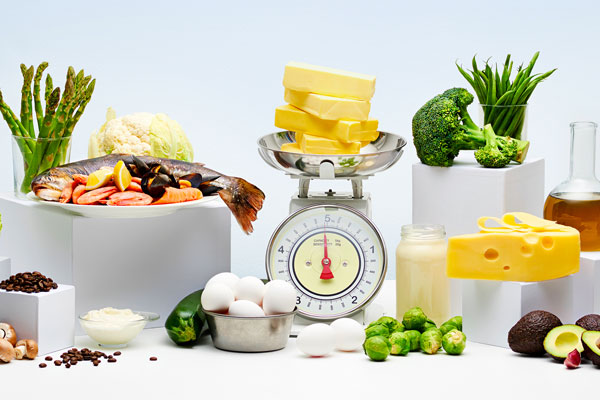
The ketogenic diet is a very low-carb, high-fat diet that shares many similarities with the Atkins and low-carb diets.
It involves drastically reducing carbohydrate intake and replacing it with fat. This reduction in carbs puts your body into a metabolic state called ketosis.
When this happens, your body becomes incredibly efficient at burning fat for energy. It also turns fat into ketones in the liver, which can supply energy for the brain.
Ketogenic diets can cause massive reductions in blood sugar and insulin levels. This, along with the increased ketones, has numerous health benefits.
This is a very low-carb, moderate-protein and high-fat diet. It typically contains 75% fat, 20% protein and only 5% carbs.

This diet involves periods of higher-carb refeeds, such as 5 ketogenic days followed by 2 high-carb days.
This diet allows you to add carbs around workouts.
This is similar to a standard ketogenic diet, but includes more protein. The ratio is often 60% fat, 35% protein and 5% carbs.
The ketogenic diet is a very low-carb, high-fat diet that shares many similarities with the Atkins and low-carb diets.
It involves drastically reducing carbohydrate intake and replacing it with fat. This reduction in carbs puts your body into a metabolic state called ketosis.
When this happens, your body becomes incredibly efficient at burning fat for energy. It also turns fat into ketones in the liver, which can supply energy for the brain .


Diabetes is characterized by changes in metabolism, high blood sugar and impaired insulin function.
The ketogenic diet can help you lose excess fat, which is closely linked to type 2 diabetes, prediabetes and metabolic syndrome.
One study found that the ketogenic diet improved insulin sensitivity by a whopping 75% .
Another study in people with type 2 diabetes found that 7 of the 21 participants were able to stop using all diabetes medications.
Most restaurants offer some kind of meat or fish-based dish. Order this, and replace any high-carb food with extra vegetables.
Egg-based meals are also a great option, such as an omelet or eggs and bacon.
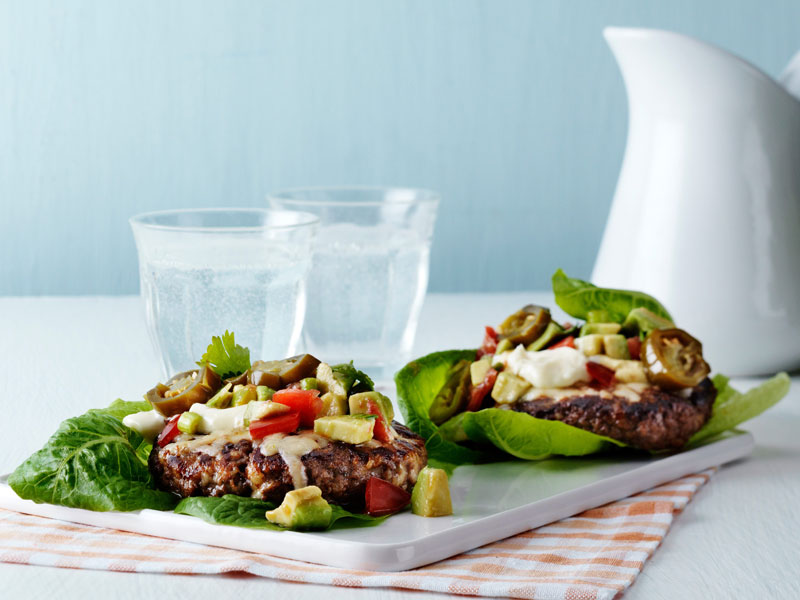
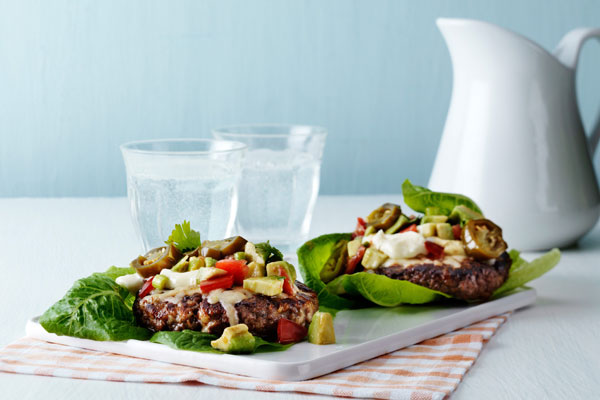
Another favorite is bun-less burgers. You could also swap the fries for vegetables instead. Add extra avocado, cheese, bacon or eggs.
At Mexican restaurants, you can enjoy any type of meat with extra cheese, guacamole, salsa and sour cream.


A ketogenic diet is an effective way to lose weight and lower risk factors for disease .
In fact, research shows that the ketogenic diet is far superior to the often recommended low-fat diet .
What’s more, the diet is so filling that you can lose weight without counting calories or tracking your food intake .
If you’re on a keto diet, you know that staying and getting into ketosis (the whole goal of going keto), is achieved…

Struggling to get enough healthy fats in your ketogenic diet? Whether you’re just starting out on your low carb, high fat journey…
There is no legitimate carb limit for keto. The keto gods won’t banish you to burn in sugar hell forever if you…

Most diets are not sustainable. Whether it is a vegan diet, low-fat diet, or low-calorie diet, we tend to revert back to…
– open 7 days a week from 7am to 9pm –

I‘m trying my damndest to cut down on carbs. To be honest, I really haven’t been strict since hitting my first ketoversary in May. I was like “I lost 150lbs” and went straight into maintenance. Part of me worries about loose skin -and part of me uses that as an excuse to be lax. I’ll tell myself I don’t want to rush so my body can catch up and hopefully reduce loose skin -aaaand, that’s okay, but I *think* I want to pick back up again. I will say, I cannot BELIEVE I eat the way I do without gaining weight. That is completely new to me. I don’t think I’ve ever eaten with such abandon.