
Foods You Can Eat on the Ketogenic Diet
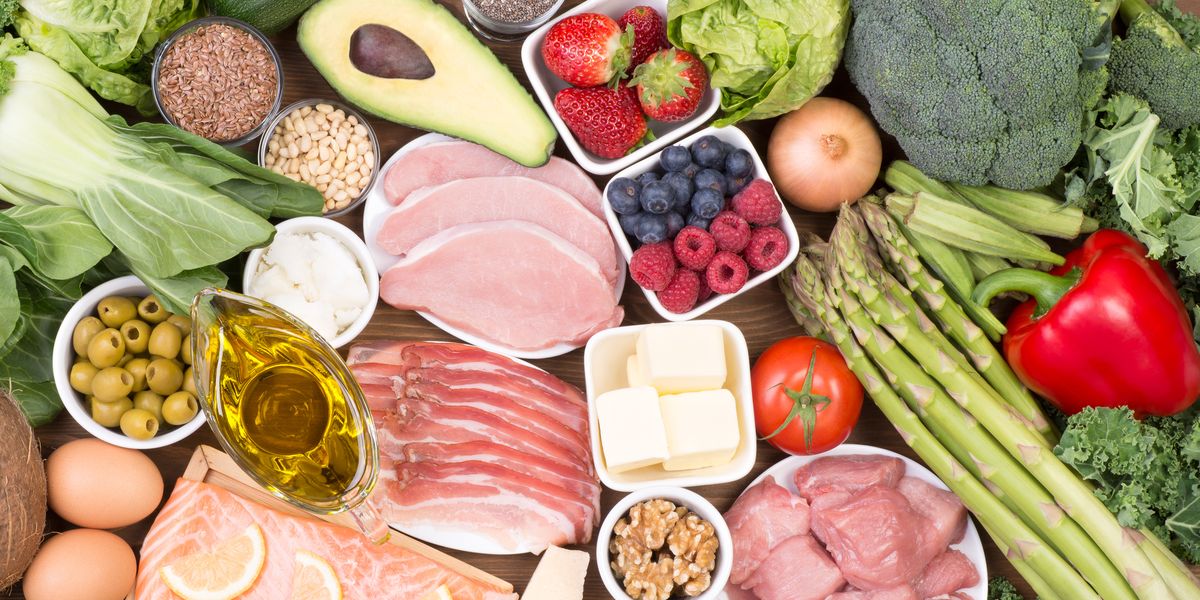
Here is a list of all the low-carb foods that are appropriate to eat when you’re following keto.
- Fish and seafood
- Low-carb veggies
- Cheese
- Avocados
- poultry
- Eggs
- Nuts, seeds and healthful oils
- Plain Greek yogurt and cottage cheese
- Berries
- Unsweetened coffee and tea
- Dark chocolate and cocoa powder
Fish and Seafood
Fish is rich in B vitamins, potassium and selenium; it’s also protein-rich and carb-free. Salmon, sardines, mackerel, albacore tuna and other fatty fish boast high levels of omega-3 fats, which have been found to lower blood sugar levels and increase insulin sensitivity. Frequent fish intake has been linked to a decreased risk of chronic disease as well as improved mental health. Aim to consume at least two 3-ounce servings of fatty fish weekly.
Low-Carb Veggies
Nonstarchy vegetables are low in calories and carbs, but high in many nutrients, including vitamin C and several minerals. They also contain antioxidants that help protect against cell-damaging free radicals. Aim for nonstarchy vegetables with less than 8 g of net carbs per cup. Net carbs are total carbohydrates minus fiber. Broccoli, cauliflower, green beans, bell peppers, zucchini and spinach fit the bill.

Cheese
Cheese has zero carbohydrates and is high in fat, making it a great fit for the ketogenic diet. It’s also rich in protein and calcium. But, a 1-ounce slice of cheese delivers about 30 percent of the daily value for saturated fat, so if you’re worried about heart disease consider portions when noshing on cheese.
Plain Greek Yogurt and Cottage Cheese
Yogurt and cottage cheese are high in protein and calcium-rich. Five ounces of plain Greek yogurt provides just 5 g of carbohydrates and 12 grams of protein. The same amount of cottage cheese also has 5 grams of carbohydrates with 18 grams of protein. Studies have shown that both calcium and protein can reduce appetite and promote fullness. Higher-fat yogurts and cottage cheese help keep you full for longer, and full-fat products would be part of the ketogenic diet.
Avocados
Choose heart-healthy fats like avocados, which are high in monounsaturated fat and potassium, a mineral many Americans are lacking. Half of a medium avocado contains 9 grams of total carbohydrates, 7 grams of which are fiber. Swapping animal fats for plant fats like avocados can help improve cholesterol and triglyceride levels.
Meat and Poultry
Meat is a source of lean protein and is considered a staple on the ketogenic diet. Fresh meat and poultry contain no carbohydrates and are rich in B vitamins and several minerals, including potassium, selenium and zinc. While processed meats, like bacon and sausage, are allowed on keto, they aren’t the best for your heart and may raise your risk of certain types of cancer if you eat too much. Choose chicken, fish and beef more often and limit processed meats.
Eggs
Eggs are high in protein, B vitamins, minerals and antioxidants. Two eggs contain zero carbohydrates and 12 grams of protein. Eggs have been shown to trigger hormones that increase feelings of fullness and keep blood sugar levels stable, and they also contain antioxidants such as lutein and zeaxanthin, which help protect eye health.
Nuts, Seeds and Healthy Oils
Nuts and seeds are full of healthy polyunsaturated and monounsaturated fats, fiber and protein. They also are very low in net carbs. Olive oil and coconut oil are the two oils recommended on the keto diet. Olive oil is high in oleic acid and is associated with a lower risk of heart disease. Coconut oil is high in saturated fat but contains medium-chain triglycerides (MCTs), which can increase ketone production. MCTs may increase metabolic rate and promote the loss of weight and belly fat too. Measure portion sizes when consuming any type of healthy fat.
Carb counts for 1 oz. (28 g) of nuts and seeds (net carbohydrate equals total carbs minus fiber):
- Almonds: 3 g net carbs (6 g total carbs)
- Brazil nuts: 1 g net carbs (3 g total carbs)
- Cashews: 8 g net carbs (9 g total carbs)
- Macadamia nuts: 2 g net carbs (4 g total carbs)
- Pecans: 1 g net carbs (4 g total carbs)
- Pistachios: 5 g net carbs (8 g total carbs)
- Walnuts: 2 g net carbs (4 g total carbs)
- Chia seeds: 2 g net carbs (12 g total carbs)
- Flaxseeds: 0 g net carbs (8 g total carbs)
- Pumpkin seeds: 2 g net carbs (4 g total carbs)
- Sesame seeds: 4 g net carbs (7 g total carbs)
Berries
Berries are rich in antioxidants that reduce inflammation and protect against disease. They are low in carbs and high in fiber.
Carb counts for 1/2 cup of some berries:
- Blackberries: 3 g net carbs (7 g total carbs)
- Blueberries: 9 g net carbs (11 g total carbs)
- Raspberries: 3 g net carbs (7 g total carbs)
- Strawberries: 3 g net carbs (6 g total carbs)
Unsweetened Coffee and Tea
Plain coffee and tea contain zero grams of carbohydrates, fat or protein, so they are A-OK on the keto diet. Studies show coffee lowers the risk of cardiovascular disease and type 2 diabetes. Tea is rich in antioxidants and has less caffeine than coffee; drinking tea may reduce the risk of heart attack and stroke, help with weight loss and boost your immune system.
Dark Chocolate and Cocoa Powder
Check the label on these, as the amount of carbs depends on the type and how much you consume. Cocoa has been called a “superfruit” because it is rich in antioxidants, and dark chocolate contains flavanols, which may reduce the risk of heart disease by lowering blood pressure and keeping arteries healthy.