
How Many Grams of Carbs Per Day Should You Eat on Keto?
The keto diet is a high-fat, low-carb diet — but just how many grams of carbs per day is considered low enough?
Most people following a ketogenic diet will consume just 5-10% of calories from carbohydrates each day. If you’re eating 2,000 calories per day, this breaks down to 25–50 grams of carbs per day. (Don’t worry, you’ll dive into the math below).
This guide will help you determine how many grams of carbs per day to consume on keto. You’ll also learn how these amounts translate into various food sources (both good and bad).
But before you go any further, here’s one thing you should understand: Every human body is different. While 30 grams of carbs per day is a good rule of thumb for most people, the truth is that age, activity level, weight loss goals, and body composition play a role in determining how many carbs you can consume and stay in ketosis.
How to Calculate How Many Grams of Carbs Per Day
Knowing how many grams of carbs to eat per day on keto can be tough. Why? Because keto goes directly against the teachings of the Standard American Diet. In fact, the USDA and most dietitians advocate for a high-carb, low-fat diet to prevent weight gain, suggesting that 45-65% of total calories should come from carbohydrates.
On keto, you’re trying to transition to a fat burning metabolic state where you burn ketones — rather than glucose — as your body’s primary energy source. To do this, you’ll need to eat large amounts of fat, switch to moderate protein intake, and keep your daily carb intake to an absolute minimum.
To enter (and remain) in ketosis, the macronutrient guidelines for the average person include:
- 5-10% of calories from carbs
- 20-25% from protein
- 70-75%, or remaining calories from fat
The Difference Between Total Carbohydrates and Net Carbs
Here’s an important thing to note: On keto, you will always calculate your net carbs — not your total carbs — for the day.
Your net carb intake is equal to the total amount of carbs you consume (in grams), minus the grams of dietary fiber. Net carbs are calculated because dietary fiber does not raise your blood glucose levels (blood sugar) — which is exactly what you’re trying to avoid on keto.
Calculating Carbs By Hand
Unfortunately, knowing daily macro percentages isn’t too useful when you’re reading a nutrition label. To help calculate your macros (i.e. protein, fat, and carb intake), try translating these percentages into grams.
One gram of carbohydrates is equal to four calories, while one gram of protein and fat provides four and nine calories, respectively.
If you plan to consume 5% of your daily calories from carbohydrates, you would multiply 2,000 by .05, to get 100 calories per day. To translate into grams, divide 100 by 4, for 25 calories per day.
If your carbohydrate intake equals 10% of your daily calories, the same calculations would result in 50 grams of carbs per day.
Calculating Carbs Through the Keto Macro Calculator
The amount of carbohydrates you consume will be impacted by your age, activity level, and even bodyweight. To calculate how many macros you should consume, be sure to use the keto macro calculator for the most accurate results. Use the keto calculator to enter your information and calculate your macros.
Your Keto Carb Limit: Which Carbs Are Best?
If you’re eating just 25-50 grams of carbs per day, you’ll want to make those carbs count.
Carbohydrates include sugar, starch, and dietary fiber. Carbohydrates are found in dairy products, grains such as bread, white rice, and quinoa, and starchy vegetables such as sweet potatoes as well as green, leafy vegetables.
Good Carbs vs. Bad Carbs: The Keto vs. SAD Debate
When it comes to good carbs and bad carbs, once again keto takes a different approach than most nutritionists. The Standard American Diet (SAD) encourages people to eat complex carbohydrates, such as those found in lentils, beans, brown rice, whole grains, and starchy vegetables.
They tell people to veer away from simple sugars (or “bad carbs”) found in white rice, white bread, and processed snack foods, as most of the nutrition has been stripped away.
Most foods considered “healthy carbs” by USDA dietetics are eliminated on keto, as they spike your insulin levels (thereby kicking you out of a ketogenic state).
A keto meal plan consists of carbs that rank low on the glycemic index — a tool measuring how much a particular food raises blood sugar levels.
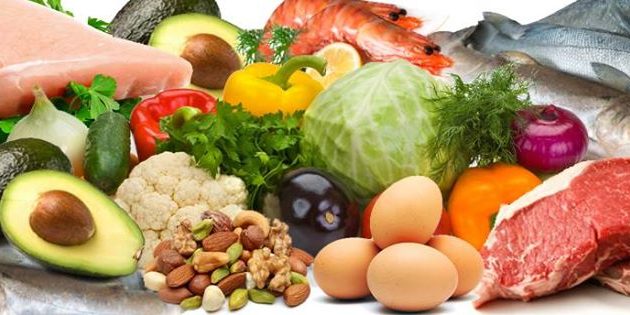
On keto, you’ll consume whole foods that rank very low on the glycemic index (and have very low net carb counts), including green, leafy veggies, healthy fats like avocados, olive oil, and MCT oil, and high-quality protein.
What Does 30 Grams of Carbs Look Like?
As stated earlier, most keto dieters consume between 25-50 grams of carbs per day when following a 2,000-calorie diet. For most people, the average seems to be 30 grams of net carbs per day. But what does 30 grams of carbs actually look like?
Below, you’ll find examples of how to hit your 30 gram carb limit on keto — both in healthy and not-so-healthy ways.
Fruits
On keto, always choose fruits that are low in sugar. This means selecting low-carb foods like berries and avocado (yes, it’s a fruit), and avoiding high-sugar fruits like apples, oranges, and bananas.
If you’re wondering why you should do this, simply look at the serving size of the fruits below. You’ll get more bang for your buck by eating handfuls of berries than you would from eating a small banana.
Vegetables
Keto-friendly vegetables include leafy green vegetables such as kale, lettuce, broccoli, and asparagus. Meanwhile, you’ll want to avoid starchy vegetables such as sweet potatoes, white potatoes, parsnips, and carrots.
Fats
Many times, a whole food will contain a mixture of fat, protein, and carbohydrates. It’s important to take note of foods not classified as carbs that still contain traces of carbs in them. These foods include nuts, seeds, vegetables, and dairy products. And there’s a few pre-made keto snacks in here to give you some more options.
Perfect Keto Cookies
Perfect Keto Cookies come in multiple flavors and contain just 4 grams of net carbs per serving. Here’s a breakdown of the chocolate chip flavor:
Each two-cookie serving of Keto Cookies clocks in:
- Calories: 200
- Total Fat: 18 grams
- Saturated Fat: 6 grams
- Protein: 6 grams
- Total Carbohydrates: 18 grams
- Dietary Fiber: 4 grams
- Erythritol: 5 grams
- Allulose: 5 grams
- Net Carbs: 4 grams
Perfect Keto Cookies deliver 18 grams of healthy fats and more protein (6 grams) than many other pre-made cookies you’ll find in stores. Add a couple of these if your carb count can handle it and enjoy a sweet treat that won’t kick you out of ketosis.
Grains and Sugars
You won’t find any grains or empty sugars on a keto diet plan, mainly because they rank so high on the glycemic index. Below, you’ll see that grains, candy, soda, and other high-sugar foods will quickly eat up your carb intake for the day.
30 Grams of Carbs in an Infographic
Want a simple, free reminder to print off or save that shows you exactly what 30 grams of carbs looks like?
Pin this to Pinterest or save it to your desktop so you don’t go overboard with carbs on your ketogenic diet.
How Many Grams of Carbs Varies According to Your Goals
On the keto diet, most people eat between 25-50 grams of carbs per day, or 5-10% of their total calories. This stands in stark contrast to the diet you grew up on, where you were told to eat high amounts of carbs, without too much protein or fat.
The exact amount of carbs you consume will depend on your body composition, activity level, and fat loss goals. However, using the Perfect Keto Macro Calculator is a great place to start.
On the keto diet, your goal is to burn ketone bodies — rather than glucose — for energy. To do this, you’ll eat a high-fat, low-carb diet. Keto foods include high-quality meat, nuts and seeds, plenty of healthy fats, and low-sugar fruits and vegetables. If you are looking to get started, be sure to visit the Perfect Keto recipe library for plenty of low-carb meal ideas.