
Most diets are not sustainable. Whether it is a vegan diet, low-fat diet, or low-calorie diet, we tend to revert back to the most convenient way of eating that we can find. Just thinking about preparing meals in a new way, on a new schedule, with new ingredients consumes so much energy and time that eating becomes a chore.
For example, you will start getting noticeable results on the ketogenic diet after about 3 weeks, but it may be too much of change that you won’t make it that far. At first, it seems so complex and inconvenient that you lose patience and revert back to your old lifestyle. This is a common cycle that we all go through when we make any lifestyle change, but the change itself isn’t the problem. The real problem is inconvenience and complexity.
The solution is to transform daunting dietary changes into a convenient lifestyle and Ruled.me is here to help you do that with the ketogenic diet. Yet, you don’t have to binge on our content to learn how. There is one secret weapon that you can start using right away without having any knowledge of cooking, health, or ketogenic diets — the “Fat Bomb”.
Fat bombs can be used in many different ways – as snacks, meal replacements, or as a side dish. For some ideas on fat bombs, you can visit our recipe section or see some of our favorites below:
Fat Bombs – The Quick Ketogenic Fat Fix
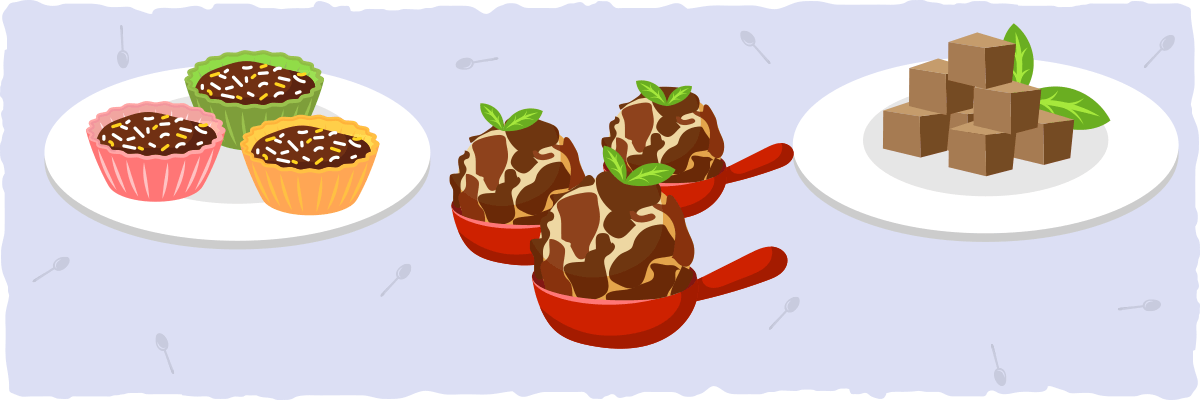
Fat bombs are a delicious combination of ketogenic ingredients that you can have as a snack, dessert, or meal replacement. They contain over 90% fat, are easy to make, and come in a variety of different flavors from the Savory Pizza Fat Bombs to the sweet Maple Pecan Fat Bomb Bars, and everything in-between.
On top of all that, fat bombs provide many health benefits that you won’t get from eating a high protein meal like the Herbed Roast Chicken with Brussels Sprouts. This is because high protein meals provide us with extra protein that may be used as fuel instead of fat. Fat bombs, on the other hand, are so high in fat and low in protein that they will help you burn more fat for fuel and stay in ketosis. This provides ketogenic diet newcomers with a ketosis kick start and long term ketogenic dieters with an increase in energy and weight loss.
The two most common ingredients that are found in fat bombs — coconut oil and high-fat dairy — have many health benefits as well. Coconut oil, for example, provides the body with supplemental ketones. This is because coconut oil contains medium chain triglycerides (MCTs), which are a type of fat that are absorbed quickly and used as fuel (more on this later in the article).
Even fat bombs that contain high-fat dairy have unique health benefits because they contain vitamins, minerals, and a fatty acid called conjugated linoleic acid (CLA). This fatty acid has been found to prevent heart disease, increase immune function, and decrease body fat. CLA is found in higher quantities in dairy that comes from healthy 100% grass-fed cows (keep this in mind when you start looking for high-fat dairy to put in your fat bombs).
Later in the article, we will dig deeper into the science of why fat bombs are so beneficial. But now, let’s get practical and learn how you can make your own delicious fat bombs.
How To Make a Keto Fat Bomb
Step 1 — What Flavors and Textures Do You Want?
Before we get into the basics of what it takes to make a fat bomb, you must figure out what kind of flavor experience you want. Savory, sweet, sour, bitter, crunchy, chewy, melty, cheesy, and spicy can all put in a fat bomb (although, I wouldn’t suggest combining them all at once).
Step 2 – Find Your Fat Base
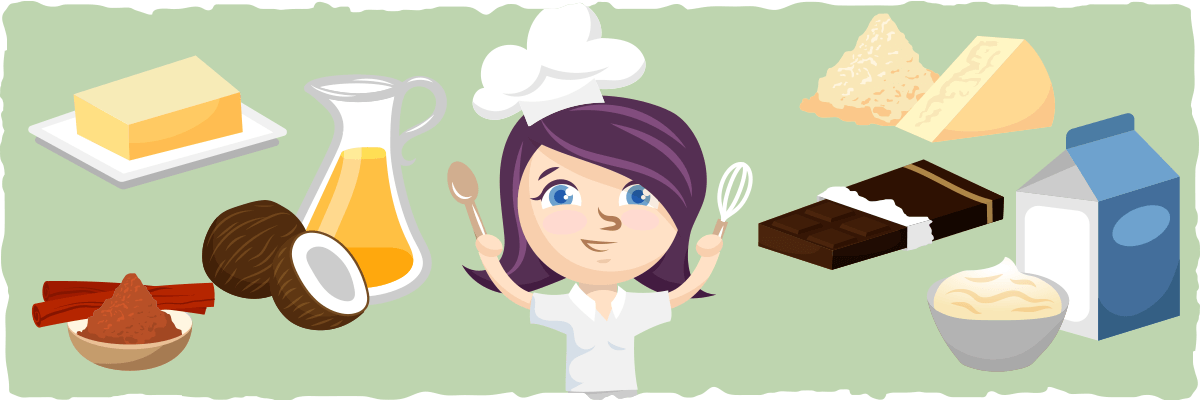
Almost all fat bombs require a fat base that will solidify when it is refrigerated and stay solid at room temperature (softening is fine). The most commonly used and reliable fat bases are coconut oil and butter (100% grass-fed butter is the healthiest). Another fat base that can be used is cream cheese — which is part of the reason why the Savory Pizza Fat Bombs are so good.
If you would like to experiment with other less common fat bases, you can try using animal fats like tallow or try melting and reforming cheese with your ketogenic ingredients in it.
Most common fat bases:
- Coconut oil
- Butter
- Cream cheese
Uncommon fat bases you can experiment with:
- Rendered animal fat (like tallow or lard)
- Hard cheese
Dairy-free Fat Bomb Bases:
- Ghee
- Coconut oil
- Tree Nut cheese (like cashew cheese)
- Coconut cream
- Cocoa butter
Vegan and Raw Vegan Fat Bomb Bases:
- Coconut oil
- Tree nut cheese (like cashew cheese)
- Coconut cream
- Cocoa butter
Step 3 – Get Your Other Ketogenic Ingredients
Once you’ve found your fat bomb fat base, scavenge your cupboard or go to the store to find ingredients to put into your fat bomb. A couple ingredients to always have on hand are salt, a calorie-free sweetener like sucralose or erythritol, and your favorite powdered herbs and spices.
Here is an incomplete list of other ingredients to consider adding to your fat bomb:
- Cacao powder
- Vanilla
- Coconut flakes
- Low-carb maple syrup
- Nuts
- Nut butters/flours
- Seeds (like flaxseed, chia seeds, or hemp seeds)
- Cinnamon
- Berries (like blackberries or blueberries)
- Bacon bits
- Eggs
- Chopped cooked meat (like salami, salmon, or steak)
- Chopped herbs
- Low-carb vegetables (like scallions or onions)
- Low-carb fruits (like wild blueberries or tomatoes)
- Cheese
- Heavy cream
- Sour cream
- Coconut cream
- Lemon juice
Use this list, your imagination, and your palate to guide you to fat bomb heaven. The flavor combinations don’t stop there, you can add many types of ingredients and this list is just a few ideas to get you started.
Step 4 – Put it all Together
Take your fat base and your delicious ketogenic ingredients and put them all together into one delicious ball or bar.
To do this, you can melt or soften your fat base and blend or mix in your ingredients. The softened fat base can be formed into balls or bars (whatever shape you prefer to consume) and refrigerated. The melted fat base can be transferred into a container, tray, or plate and refrigerated until it is solid.
That’s it.
It’s that simple. The hard part is learning how to make a tasty fat bomb that looks good. Though keep in mind that fat bombs don’t always have to look like a piece of candy or a rolled ball. You can have fat bombs in many different forms like cookies, mug cakes, or other meals like salads.
If you are not sure how you could possibly make a fat bomb on your own yet, here’s the simplest fat bomb recipe (that I use the most).
The Simplest Fat Bomb — Chocolate
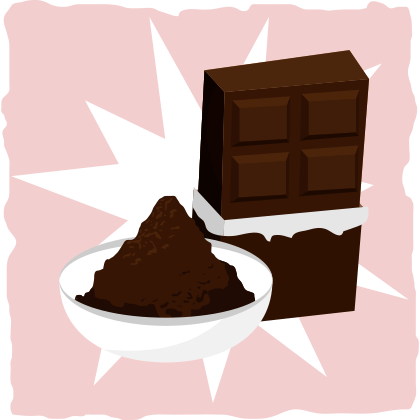
That’s right, you can make your own chocolate fat bomb, and all it takes is two ingredients — cacao powder (the healthiest is raw organic cacao powder) and coconut oil.
Step 1 — Melt and Mix
Melt the coconut oil in a pan at low heat. Once the coconut oil is completely liquified, mix in the same amount of cacao powder until you have a homogenous chocolate mixture. (By this I mean use one cup of cacao powder if you used one cup of coconut oil.)
It is best to start with a smaller amount like a quarter cup of each. Once you develop a delicious recipe, however, all restrictions are off — make as much chocolate as you desire. It can save well and be portioned out if you store it in the refrigerator.
Step 2 — Customize and Solidify
Now that you have your chocolate liquid, turn off the heat source and add in what you want to be in your chocolate. You can put in a bit of erythritol, stevia, or sucralose for some sweetness, mix in your favorite nuts for some crunch, or add in some cinnamon and vanilla to give it a unique twist.
Once you have finished mixing in your extra ingredients, pour it into a plate, cookie sheet, or silicone container, and put it in the fridge until it solidifies (2-4 hours).
Step 3 — Eat and Enjoy
Go to the refrigerator, break off a piece of your chocolate, and enjoy. Yes, it is that easy to make a fat bomb. It will not look as beautiful as store-bought chocolate bars, but it will still be tasty and much healthier.
The Meal Replacement Fat Bomb
It doesn’t get any easier than that chocolate fat bomb recipe, but what if you want to make a fat bomb that serves as a convenient meal replacement?
Although some of us wish we could, we can’t just eat a pound of chocolate and satisfy our nutrient needs. This is where nutrient-dense fat bomb recipes like the Salmon Benny Breakfast Bombs save the day.
With 10 ingredients and 17 steps, however, this recipe looks dauntingly complex — especially when you compare it to the chocolate fat bomb recipe. But even this fat bomb is easy to make and when you are finished you will feel like a culinary expert. You can find the recipe and try it out for yourself by clicking here.
Here are some other fat bombs that you can eat as a meal or a snack:
Health Concerns with Fat Bombs
If you are reading this article, you may already know about the health benefits of a low-carbohydrate and high-fat diet like the ketogenic diet. But you may still be concerned about how some of the fat bomb ingredients will affect your health. Common fat bomb ingredients like butter, heavy cream, and cream cheese are believed to destroy our health and well-being, but is this true?
High-Fat Dairy and Health — Butter is Better
After decades of debate, many researchers conclude that high-fat dairy should not be demonized. Contrary to the popular belief that high-fat dairy can cause heart disease, studies find no relationship between the two. In fact, high-fat may even be healthier than low-fat dairy, especially for people with colorectal cancer.
These positive findings are partly due to the beneficial effects that CLA (the fatty acid that we talked about earlier) has on our health. CLA has potent anti-inflammatory and anti-carcinogenic properties, which explains why the consumption of 2 servings of high-fat dairy foods per day corresponded to a 13% reduction in the risk of colorectal cancer.
Eating high-fat dairy with dinner may also help your body burn fat as you sleep. This allows your body to stay fueled on fat without having to secrete stress hormones and rely on sugar.
We cannot leave the topic of high-fat dairy, however, without mentioning that some of its long-chain fatty acids can raise cholesterol levels. Contrary to popular belief, this may not be a bad thing because high cholesterol does not cause heart disease.
As long as you eat plenty of low-carbohydrate vegetables, exercise, maintain low-stress levels and minimize your consumption of toxic ingredients, your risk of heart disease will be low (regardless of how high your cholesterol is).
This does, however, raise another question — what about artificial sweeteners? Sucralose — commonly known as Splenda — is an artificial sweetener that is used in many fat bomb recipes, but isn’t it a toxic ingredient that we should avoid?
Artificial Sweeteners and Health

Just hearing that something is artificial implies that it is toxic and poisonous, but the truth is that the line between natural and artificial is blurred. Some ingredients that are known as artificial, like sucralose, are identified as toxic just because they are chemically synthesized. On the other hand, natural ingredients like carrageenan seem harmless when you find out that they are extracted from natural foods.
But just because carrageenan is derived from edible seaweed doesn’t mean it is healthy. In fact, studies suggest that the opposite is true. Carrageenan can be toxic to our digestive system. Sucralose, on the other hand, has been proven to be safe for human consumption.
Every natural ingredient isn’t good and every artificial ingredient isn’t bad. Biochemistry is not meant to fit our way of categorizing the world, but we can still use scientific research to find out the safety of certain ingredients.
Because of the popularity of artificial sweeteners, many of them have been studied in many animals (including humans) in many different ways. Sucralose is one sweetener that has been studied the most and is still surrounded by controversy.
Is Sucralose Toxic?
Sucralose, which is commonly confused with Splenda, is one of the most popular artificial sweeteners. It is calorie-free and 600 times sweeter than table sugar, but what does it do to our health? Please note that Splenda uses added filler ingredients to achieve the consistency of their sweetener. It tends to use maltodextrin, so it’s better to avoid. Try to find the pure form (usually found in liquid).
Many popular health professionals, like Dr.Mercola and Chris Kresser, strongly advise against the use of artificial sweeteners due to their potential negative impact on the gut biome.
A recent review on the safety of sucralose, however, found that “in humans, the fate of sucralose is primarily no absorption and simple fecal excretion with no evidence of digestion or breakdown of sucralose, loss of chlorine, or metabolism by fecal microflora.”
This means that when we consume sucralose, most of it moves through our digestive tract untouched by our digestive processes and our gut bacteria. This review also addressed some of the studies that Dr. Mercola and Chris Kresser referenced as evidence that sucralose is bad for the gut biome. The researchers found that the studies were inconclusive because they did not directly measure the affects that sucralose had on the microbiome. Instead, indirect measures were used to make conclusions.
Other studies have found that sucralose has no toxic effects in humans, no effect on blood glucose or insulin, and it does not build-up in the body with long-term use. Given this evidence, the authors of the review on the safety of sucralose concluded that “human clinical trials in healthy and diabetic subjects by numerous researchers provide a clear demonstration of safety of use of sucralose as a non-caloric sweetener in foods and beverages.”
Can the same be said about other artificial sweeteners like Aspartame?
Aspartame and Health — Eliminate Aspartame
Another popular artificial sweetener is aspartame, commonly known as Equal or Nutrasweet. This sweetener has not been studied as much as sucralose, and the evidence is inconclusive. Many studies, however, point to the toxic effects that it can have on the antioxidant systems in rats — antioxidant systems that work like ours.
Toxic effects are caused by aspartame and not sucralose because aspartame is broken down by the body and enters the liver, while sucralose stays in our digestive tract without being broken down until it is released in the feces. For this reason, it is best to stay away from aspartame.
If you are still considering a non-calorie sweetener, however, what should you choose? Should you go with the more natural options like Stevia or Erythritol?
Natural Sweeteners and Health
Is Stevia Safe for Consumption? Stevia is the most “natural” no-calorie sweetener that we know of. It is derived from the leaves of a green plant (that looks a lot like mint) and has been used as a medicine and a sweetener for hundreds of years, so it must be the healthiest sweetener — right?
Many studies have concluded that stevia is safe and may have beneficial effects on blood pressure, blood sugar, and inflammation, but a recent study by researchers at UCLA is much more conservative.
They found that some of stevia’s compounds may be mutagenic (they change DNA). For example, one of stevia’s compounds, stevioside, caused DNA breakage in blood, spleen, liver, and brain cells in rats. However, this only happened when the doses far exceeded amounts that we would normally consume.
At normal physiological doses, stevia has been found to have anti-tumor properties — the opposite effect that the UCLA researchers found. These contradictory results can be explained by one principle: moderation.
If you use stevia as a meal substitute, then you may experience negative side effects. However, if you use it as a sugar substitute, then stevia will probably improve your health in many ways.
The Better Natural Sugar Alternative — Erythritol
Erythritol is a sugar alcohol that is a low-calorie (not a no-calorie) sweetener, and it is the least sweet of all the sweeteners mentioned (70% as sweet as sugar).
The only negative effects that erythritol can cause are nausea and stomach discomfort. But this was only found in people that consumed 50 grams of erythritol in one sitting.
To give you some context, the Neapolitan Fat Bomb recipe calls for 25 grams (2 tablespoons) of erythritol, which is divided into 24 — 1.5 x 1.5 x .75 inch deep — fat bomb squares. Even if you indulge in all 24 fat bombs at once, you are not going to have any negative side effects.
However, don’t just buy any sugar alcohol and assume that they will be as safe as erythritol. This is because other sugar alcohols like xylitol tend to cause more side effects at lower doses than erythritol.
The Best Sweetener? All Three
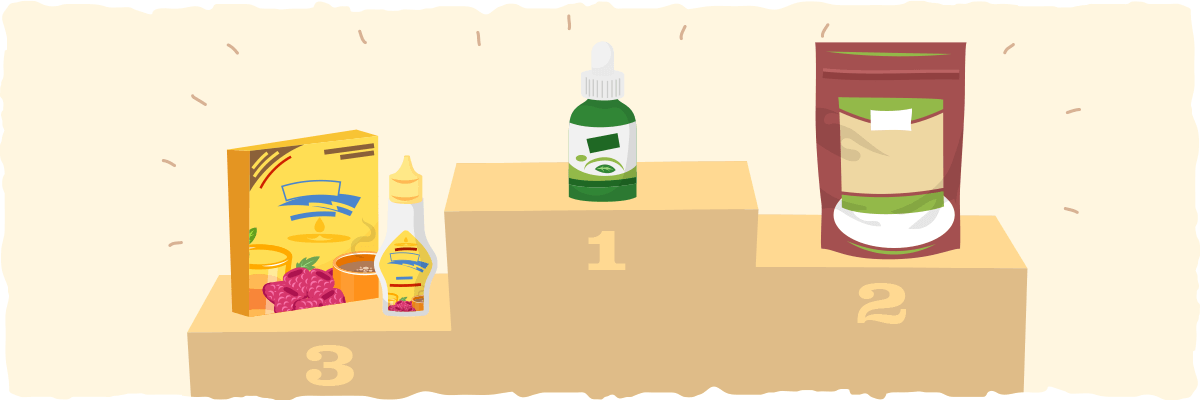
After sifting through the science, it is clear that erythritol, stevia, and sucralose are all safe when used as sugar substitutes.
Here are some specific things to keep in mind about each sweetener:
- Stevia may have a slight edge over the other sweeteners because of its medicinal properties.
- The sweetest (and the most studied) of them all is sucralose, but its sweetness may increase your appetite causing you to eat more.
- The least sweet all of the sweeteners is erythritol. Using it as a sugar substitute can give you the sweet taste that you crave without stimulating your appetite as much as the sweeter sweeteners.
Each one has a unique sweet flavor and is extremely versatile. By trying our fat bomb recipes, you’ll have the opportunity to taste each sweetener and find out which one (or combination) you like the most.