
There is no legitimate carb limit for keto. The keto gods won’t banish you to burn in sugar hell forever if you eat an extra blueberry.
The truth is that every person has a different carb limit that they should stick to so that they can trigger ketone production. This “carb limit” also changes depending on the day.
Whether your body achieves ketosis or not — the main reason why you are limiting carbs in the first place — depends on many factors. Some people may be able to get into ketosis with a slightly higher carb intake while others need to restrict their carbs below 35 grams per day.
Finding Your Keto Carb Limit
Although everyone may need to restrict their carbs to slightly different amounts to get into and stay in ketosis, there is a carb limit that almost anyone can use to achieve results. This keto carb limit is 35 grams of total carbs and 25 grams of net carbs. (Net carbs are found by subtracting the grams of the fiber from the total grams of carbs.)
If net carbs are further limited to less than 20 grams, then most people will get into ketosis even more quickly. Keeping your carbs consumption at this level and rarely going above it is a reliable way to stay in ketosis (as long as you eat the right amount of protein — more on that later).
To figure out how to track your carbs and stay below the carb limit, here’s a guide you can use to keep it as simple as possible.
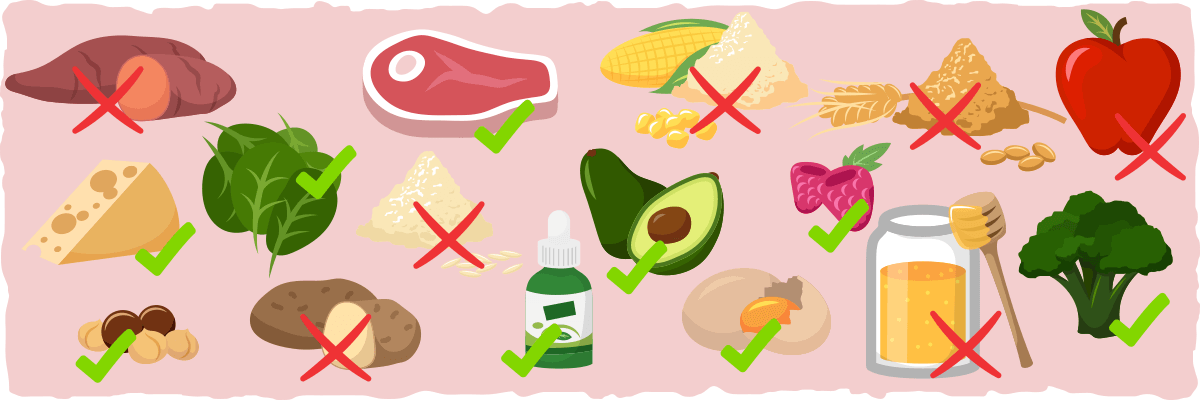
And here is a brief list of what you should and shouldn’t eat to achieve ketosis:
Do Not Eat
- Grains – wheat, corn, rice, cereal, etc.
- Sugar – honey, agave, maple syrup, etc.
- Fruit – apples, bananas, oranges, etc.
- Tubers – potato, yams, etc.
Do Eat
- Meats – fish, beef, lamb, poultry, eggs, etc.
- Leafy Greens – spinach, kale, etc.
- Above ground vegetables – broccoli, cauliflower, etc.
- High Fat Dairy – hard cheeses, high fat cream, butter, etc.
- Nuts and seeds – macadamias, walnuts, sunflower seeds, etc.
- Avocado and berries – raspberries, blackberries, and other low glycemic impact berries
- Sweeteners – stevia, erythritol, monk fruit, and other low-carb sweeteners >
- Other fats – coconut oil, high-fat salad dressing, saturated fats, etc.
To see more specific advice on what (and what not) to eat.
By sticking to these foods, eating keto-friendly meals (like these), and limiting your carbohydrates to 35 grams or less, you will most likely get into ketosis. The reason why I say “most likely” rather than “definitely” is because carbs aren’t the only thing that can keep you from ketosis.
Why Everyone Has A Different Carb Limit for Ketosis
At ruled.me, we recommend that everyone starts their ketogenic diet with the carb limit of 35 grams of total carbs. However, if you are not getting into ketosis or you want to find your personal keto carb limit, then you must know the other factors that contribute to ketosis.
Although this is a nuanced topic that is impacted by many different variables, let’s stick to the four things that you have the most control over when it comes to achieving ketosis. Below, we’ll go over these.
1. How Keto Adaptation Changes Your Ketone Burning Abilities And Your Carb Limit
Everybody can adapt to burning ketones for fuel. In the process of keto adaptation, the mitochondria (the energy powerhouse of the cell) becomes more efficient and starts replicating itself. This provides most cells with the ability to use ketones as their primary energy source instead of sugar.
These adaptations allow the body to shift into ketosis more quickly than when you first started the ketogenic diet. Also — as an added bonus — the more keto adapted you are, the more carbs you will be able to eat while remaining in ketosis.
The best way to take advantage of keto adaptation is by staying on a strict ketogenic diet for at least 3 to 6 months before trying anything fancy with your carb intake.
By this I mean, you must restrict your carbohydrates to 35 grams or less per day, get into a consistent ketosis, and give your cells at least a couple months to adapt to this way of living. This way of eating is the only way to get all of the benefits of ketosis, ketones, and keto adaptation.
There are also a couple of other factors that can improve or impair your body’s ability to adapt to the ketogenic diet that you should be aware of. These factors include exercising, eating the right amount of protein, and mitigating stress.
2. Exercise — It Can Be A Ketone Boosting Tool And A Keto Dieters Worst Nightmare
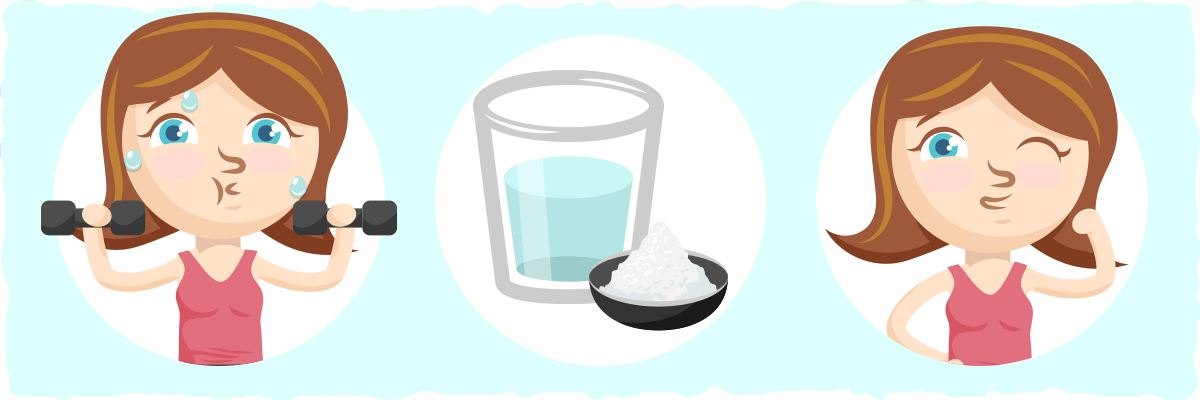
The right type of exercise at the right time can help you achieve ketosis more quickly and boost your body’s ketone levels.
For example, if your goal is to achieve ketosis as rapidly and healthily as possible, then it is best to use high-intensity training as a tool to deplete glycogen (your body’s storage form of sugar) and low-intensity exercise as a tool to encourage fat and ketone burning. What exactly does this look like?
If you are just starting the ketogenic diet, then you should focus on using exercise to deplete your glycogen stores, so your body is forced into ketosis more quickly. Here’s how:
- Do at-least one hour of high-intensity activity first thing in the morning
- This can be heavy weight-lifting, cross-fit training, high-intensity interval training, etc.
- After the workout, focus on recovery, rehydration, and mineral supplementation.
- For even better results, do not eat anything until dinner time.
After depleting glycogen, you should use low-intensity exercise to enhance fat burning and increase ketone levels. Here’s what that looks like:
- Do at least 30 minutes of low-intensity activity every day
- This can be a brisk walk, cycling, dancing, etc.
- For even better results, do this first thing in the morning before eating.
By increasing your activity levels and doing the right types of exercise at the right times, you can achieve ketosis more quickly, burn more fat, and improve your health in a variety of ways. As a side bonus, you can increase your daily keto carb limit without lowering your ketone levels as well.
However, if you do so much high-intensity exercise that it overwhelms your body with stress, then you may impair your ability to stay in ketosis. This is because stress can shut down ketone production.
3. How Stress Impairs Ketosis and Decreases Your Keto Carb Limit
Stress increases the levels of stress hormones like cortisol in the blood. It doesn’t matter where the stress comes from (your thoughts, what you did, what someone else did, etc.), it all causes the same hormonal response.
One of the hormones that is released in response to stress is cortisol. Cortisol increases the activity of gluconeogenesis to raise blood sugar levels, while simultaneously decreasing insulin sensitivity. This combination of actions causes more blood sugar to hang out in the blood for longer periods of time, which shuts down the body’s need to produce ketones.
Cortisol, however, is not the enemy. It provides us with the boost of energy we need to start the day and power through exercise and stressful situations. Problems will only arise when the body rarely stops secreting cortisol because the mind is always stressing about something.
Not sure if stress is a problem for you? Here’s a list of common stressors that can keep you from ketosis:
- Exercising too much
- Not eating enough
- Worrying about the future
- Beating yourself up for past mistakes
- Overwhelming yourself with work and never taking breaks
As these and other stressors accumulate in your life, your stress hormones remain elevated throughout the day. This limits your ability to produce ketones, lose fat, and maintain muscle mass — three things that you want to avoid at all costs on the ketogenic diet. No keto carb limit can save you from these adverse effects. You must take responsibility for mitigating your own stress.
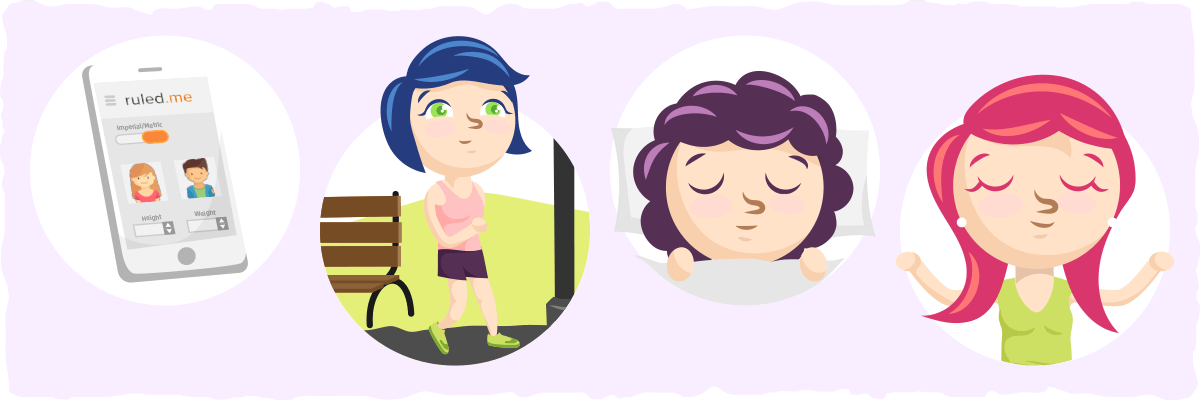
To reduce stress and get the most out of the ketogenic diet, consider implementing these strategies (if they apply to your situation):
- Eat the right amount of calories to meet your goals. Use our keto calculator to find out how much you should be eating.
- Replace one of your high-intensity workouts with low-intensity exercise.
- Improve sleep quality by getting sun exposure during the day, limiting blue light exposure at night, and following the same sleep schedule every day.
- Use meditation to decrease cortisol and stress levels
There are plenty of other strategies and supplements that help reduce stress, but these will give you the most reliable results (and they don’t cost a thing).
However, just because you have stress under control doesn’t mean that ketosis is now guaranteed. Your protein intake may be getting in the way.
4. How Protein Can Keep You From Ketosis
When protein intake is too high, the body is flooded with amino acids. In response to this amino acid influx, insulin is released.
Insulin lets the cells know that plenty of energy is available (from the amino acids), so they don’t have to worry about burning fat from fat cells and producing ketones. Because of this, each high-protein meal can prevent us from getting into ketosis or keep us from reaching a deeper level of ketosis.
This is why carb restriction shouldn’t be your only focus on the ketogenic diet. To achieve ketosis efficiently, eat the right amount of protein and limit your carbohydrate consumption. Don’t just do one or the other.
In general, you should aim to get around 25% of your calories from protein. If you’re active or restricting calories for fat loss, then it is best to increase your protein intake. To find out the exact amount of protein you should eat
The Takeaway — Is There One Keto Carb Limit?
In general, restricting your carb consumption to less than 35 grams of total carbs and 25 grams of net carbs is what we recommend for the best results. This carb limit is ideal for almost everyone on the ketogenic diet.
It is also important to know that everyone has a unique carb limit that depends on many factors. Some of the factors that you have the most control over are:
- How keto adapted you are
- How much you exercise and what types of exercise you do
- Your stress levels
- How much protein you eat
Each one of these factors can either increase or decrease your carb limit, thus impairing or improving your ability to get into ketosis. This is why finding your own personal carb limit for keto is much more nuanced and complex than you think. However, with some experimentation, you can find out how many carbs you need to eat to stay in ketosis.