
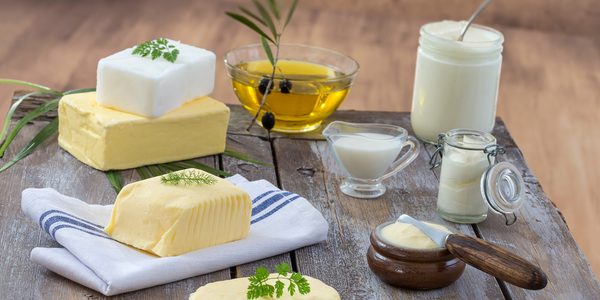
Struggling to get enough healthy fats in your ketogenic diet?
Whether you’re just starting out on your low carb, high fat journey or you’ve been around for some time, consuming a large amount of healthy fats should be one of your top priorities.
If you find yourself falling short in fats, we’ve got you covered.
In this Keto Beginners Series , we’ve come up with an extensive list of our favorite ways to get more fats into your ketogenic diet plan!
You Need Adequate Fats to Successfully Adapt to the Ketogenic Diet
High fat intake is essential for allowing your body to become keto-adapted. When you first start the ketogenic diet, you’ll need to replace the calories that previously came from carbs with healthy fat sources.
For many people, getting the proper amounts of fat can be difficult, as it may take some time for your taste buds to get used to high-fat foods. But remember, eating enough fat will help you avoid hunger during your adaptation phase.
How to Increase Fat Intake on Keto
Here are the top ways to increase your healthy fat intake on your ketogenic journey:
#1. Turn Hot Beverages into Creamy, Full-Fat Drinks
Some people call it “keto coffee,” others “bulletproof coffee”, but the principle stays the same.
Adding a healthy source of fat into a hot beverage is a great way to increase your fat intake.
The most popular version — known as bulletproof coffee — involves adding a tablespoon of coconut or MCT oil, a tablespoon of grass-fed butter, and stevia. Then, blend it all together to create a wonderful, frothy, keto-friendly coffee!
You can also do this with green tea, matcha tea, yerba mate, or even sugar-free hot chocolate. Make sure to add a fat source such as MCT oil or powder, coconut oil, cacao butter, ghee, coconut oil, or grass-fed butter.
This is a great way to start your morning: with a healthy dose of fats to kickstart your ketosis efforts!
#2. Use Full-Fat Ingredients
Forget about getting any foods that are “low-fat” or “fat-free”. These food products usually substitute fat for sugar and can derail your ketogenic efforts.
Opt out your usual nonfat yogurt for full-fat yogurt, and start adding fatty food sources into your grocery haul, such as heavy cream, sour cream, and avocados.
#3. Add Fats to All Your Veggies
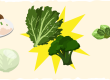
It’s extremely common for beginners to avoid eating too much veggies on keto because they’re afraid they’ll go over their daily carb intake. Sticking to low-carb vegetables and adding a fat source is a great way to ensure that you maintain a perfect ketogenic macronutrient ratio.
Here are a few low-carb veggies to choose from:
- Brussels sprouts
- Zucchini
- Broccoli
- Cucumber
- Cauliflower
- Celery
- Spinach
- Kale
- Mushrooms
- Asparagus
- Cabbage
Then, you can add a healthy fat source such as:
- Ghee
- Grass-fed butter
- Extra virgin olive oil or avocado oil
- Unrefined coconut oil
- Macadamia nut oil
Finally, add some low-carb flavorings to your keto veggie meal, such as jalapenos, apple cider vinegar, coconut aminos, ginger, garlic, cilantro, and coconut aminos.
#4. Fat Bombs!
Fat bombs are very popular in the ketogenic community, and for good reason! Not only do they help satisfy your cravings for sweets, but they also help you get proper amounts of healthy fat in your ketogenic diet.
The general guidelines of creating fat bombs is to:
- Add a base of fats, including coconut oil, grass-fed butter, ghee, cacao butter, nut butters, or coconut cream, then include some flavor such as cacao powder, vanilla extract, cayenne, or cinnamon
- Follow this up with a zero-calorie sweetener or protein powder
- Mix them together and store it in the freezer to have a readily available ketogenic-friendly snack whenever those cravings creep up on you!
#5. Stick to Fatty Cuts of Red Meat
A large part of your ketogenic diet should come from fatty cuts of meat. Instead of eating skinless chicken breast or turkey slices — which contain very little amounts of fat — consume fatty meats, including:
- NY Strip Steak
- Porterhouse
- Ribeye
- Salmon and other fatty fish
- Grass-fed beef
- Nitrate-free bacon
- Nitrate-free sausage
- Nitrate-free chorizo
- Chicken thighs
- T-bone Steak
Fattier cuts of meat will help you maintain the proper ketogenic macronutrient ratio, while ensuring you are getting essential fat-soluble vitamins and minerals.
Note: Try to stay away from processed meats such as pepperoni, salami, and other canned or lunch meats, as they often contain nitrates, which should be avoided. Nitrate-free versions are generally fine.
Getting Enough Fats Can Be Extremely Easy on the Ketogenic Diet
With a little creativity, getting proper amounts of fats on the ketogenic diet can be a breeze. Once you have gotten used to this way of eating, you’ll find yourself sticking to a few go-to recipes, depending on your cravings.
We encourage finding (or creating) a recipe for each craving you have. For example, if you want something salty, make a dish like a grass-fed steak along with avocado topped with olive oil and vinegar.