
Steps Beginners Should Take Before Trying the Keto Diet
The ketogenic diet — a high-fat and very low carb eating plan — can be tough to start. After all, it’s likely a radical departure from the way you’re eating now (a typical standard American diet is high in carbohydrates and processed foods). But many people are trying the keto diet, which puts your body in a state of ketosis. That’s what happens when your body’s carb-burning switch flips to a fat-burning one, a change that can cause weight loss and has even been credited with controlling type 2 diabetes, a small past study suggests.
How do you make practical preparations in stocking your fridge and preparing mentally for the big change to come? Consider this your step-by-step guide.
1. Know What Foods You’ll Eat and Avoid on the Ketogenic Diet
In following a keto meal plan, you’ll be severely limiting carbs. Start off with between 20 and 30 grams (g) of carbohydrates per day, says the New York City–based dietitian Kristen Mancinelli, RD, author of The Ketogenic Diet: A Scientifically Proven Approach to Fast, Healthy Weight Loss.
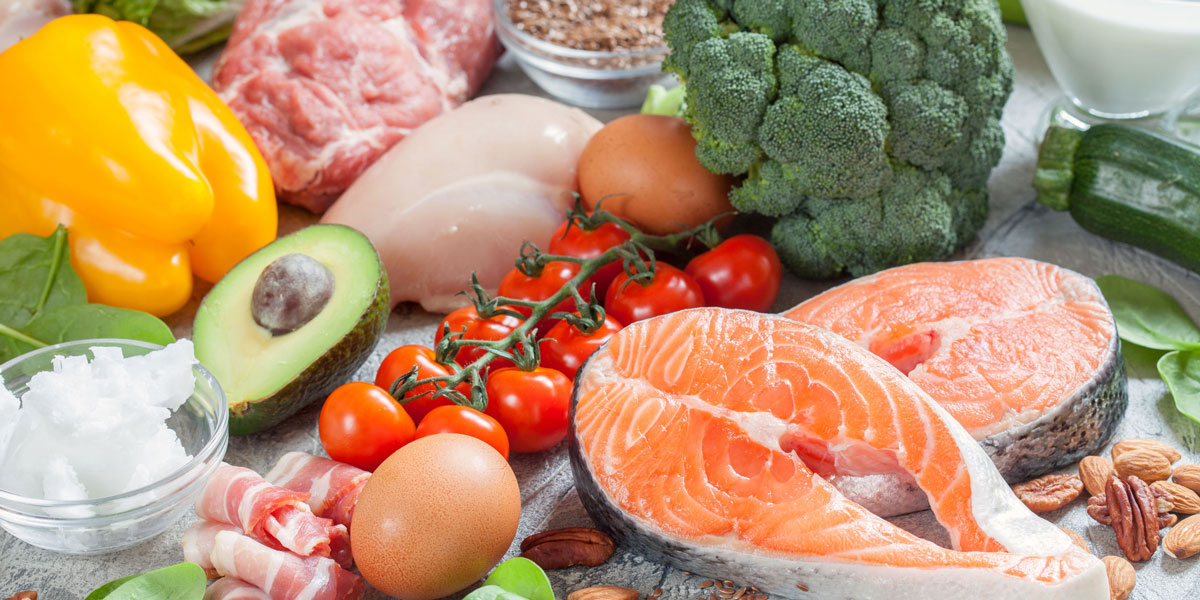
Also make sure that you know what foods have mostly carbs, fat, and protein, so you can make the right choices. For instance, it’s not just bread, pasta, chips, cookies, candy, and ice cream that contain carbs. Beans may contain protein, but they’re also very high in carbohydrates. Fruit and veggies also mostly contain carbs. The only foods that don’t contain carbs are meat (protein) and pure fats, like butter and oils (including olive oil and coconut oil).
2. Examine Your Relationship With Fat — Keto Involves Lots of It!
“People are afraid of fat because they’ve been told that it’ll kill them,” says Mancinelli. What is confusing is that research today remains mixed. Some studies suggest that replacing saturated fat with polyunsaturated fat (and avoiding unhealthy trans fat) is important for mitigating heart disease risk, while others suggest that total fat and types of fat weren’t associated with cardiovascular problems, according to an article published in June 2018 in BMJ. Deciding exactly how to eat then becomes confusing. What is helpful, the authors note, is to remember that food is more than a single nutrient, and it’s the overall quality of the diet that counts. (They do say that high-fat, low-carb diets still need more research to assess their long-term health benefits and risks.)
To prepare for a high-fat diet, which can be uncomfortable at first, start making small adjustments to what you eat every day, she suggests, like ordering a burger on lettuce leaves and subbing green veggies for fries.

3. Switch Up Your View of Protein — This Is a Moderate-Protein Diet
One of the most common misconceptions about the keto diet is that you can eat as much protein as you’d like. But this is not a diet where you watch carbs only — you also have to keep your protein intake moderate, says Ginger Hultin, a Seattle-based registered dietitian, a spokesperson for the Academy of Nutrition, and the owner of ChampagneNutrition. Protein can be converted into glucose, and therefore overeating protein can take your body out of ketosis. Think of your ratios as a small portion of meat topped with a generous amount of fat, rather than the other way around.
4. Hone Your Cooking Skills to Make Fresh Fare, as High-Carb Processed Foods Aren’t Okay on Keto
Look at a variety of keto websites and cookbooks for keto-approved recipes you’ll love. Mancinelli recommends finding four to five recipes with foods you know you’ll like. “That way you’re not standing around wondering what to eat, and turn to carbs,” she says.
5. Try Bulletproof Coffee — It’s One of the Best Keto-Friendly Drinks
Made by mixing coconut oil and butter into your coffee, this drink will help keep your hunger at bay, giving you time to plan your next meal, advises Mancinelli.
Just note that coconut oil has the potential to send LDL, or “bad,” cholesterol levels soaring, so if you have heart disease or are at an increased risk for it because of family or personal health history, you’ll likely want to avoid this drink. To be on the safe side, check with your doctor.
Vegetarian and vegan keto meals
In the standard keto diet, animal products tend to make up a large portion of meals because these foods are naturally high in fat, high in protein, and low in carbohydrates.
Though tricky, it is possible to follow a vegetarian or vegan keto diet. Those who do not eat meat or fish can replace these products with high fat plant-based foods.
Vegetarians can also eat eggs and some forms of dairy as part of the diet.
Tips
- Set a start date.
- Reorganize the pantry and refrigerator so that they do not contain high carbohydrate foods.
- Make a weekly meal plan. This is key to eating balanced meals and preventing hunger.
- Stock up on keto-friendly foods and beverages.
- Read product labels carefully and check the ingredients list and carb content of each item.
- Prepare meals ahead of time and freeze or refrigerate them in batches.
- If hunger pangs occur regularly, try eating five or six small meals, instead of three large ones.
- To avoid “keto flu” in the early stages, drink plenty of fluids and supplement with electrolytes.
- Consider taking to fill in nutritional gaps while following this diet.
- Consider temporarily reducing physical activity during the first week or two, while the body adjusts to the new diet.
- Discuss any queries or concerns with a doctor or dietitian.