
Do Exogenous Ketone Supplements Work for Weight Loss?
The ketogenic or keto diet is a very low-carb, high-fat diet.
Being on the diet for several days puts your body into ketosis, a nutritional state characterized by raised blood ketones and weight loss.
While the diet may provide benefits, it cana also be difficult to follow consistently.
Some suggest that ketone supplements can mimic ketosis and raise blood ketone levels without changing your diet.
However, that’s not exactly how your body interprets it.
This article tells you whether exogenous ketone supplements can help you shed extra pounds.
What Happens in the Body During Ketosis?
If you follow a standard high-carb diet, your body’s cells typically rely on glucose for fuel.
Glucose comes from the carbs in your diet, including sugars and starchy foods like bread, pasta and some vegetables.
If you restrict those foods, as with a ketogenic diet, you force your body to look for alternative fuel sources.
Your body then turns to fat for fuel, which produces ketone bodies when broken down in excess.
This shift in metabolism puts your body in a state of ketosis.
Most people naturally experience a mild state of ketosis during periods of fasting or strenuous exercise.
The two main ketone bodies produced during ketosis are acetoacetate and beta-hydroxybutyrate. Acetone is a third, less abundant, ketone body.
These ketone bodies replace glucose as fuel and provide your brain, heart and muscles with energy.
It’s thought that the ketone bodies themselves may be responsible for the weight loss associated with a ketogenic diet.
What Are Exogenous Ketone Supplements?
Ketone bodies can be produced in your body (endogenously) or come from a synthetic source outside your body (exogenously).
Thus, ketones found in supplements are exogenous ketones.
These supplements contain only the beta-hydroxybutyrate ketone. The other primary ketone body, acetoacetate, is not chemically stable as a supplement.
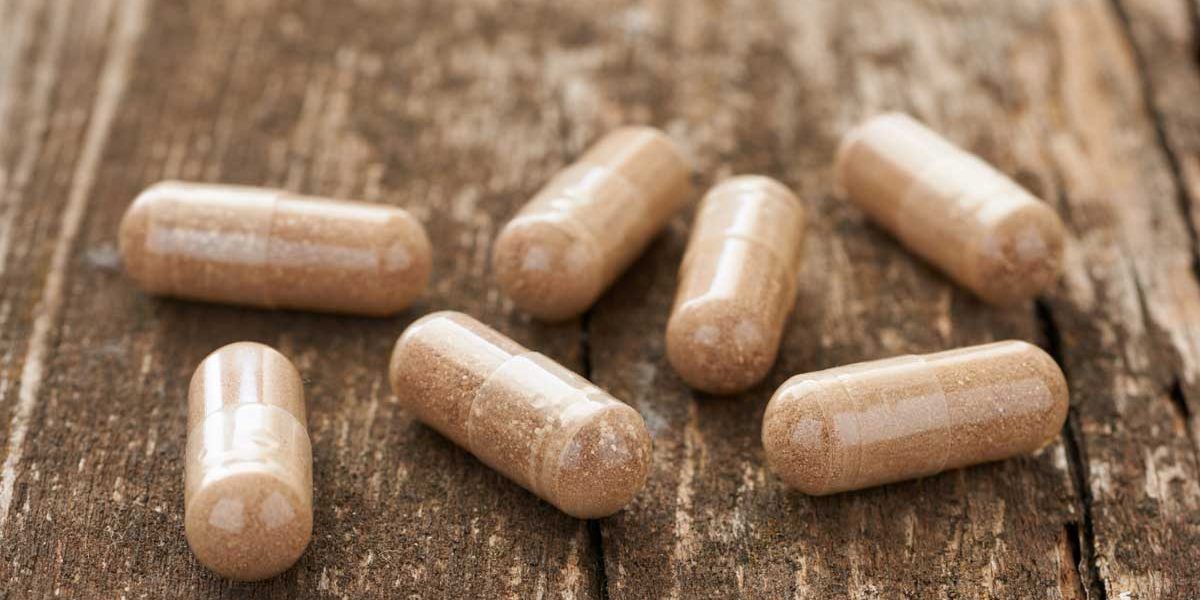
There are two main forms of ketone supplements:
- Ketone salts: These are ketones bound to a salt, typically sodium, potassium, calcium or magnesium. They’re most often found in powder form and mixed with liquid.
- Ketone esters: These are ketones linked to another compound called an ester and packaged in liquid form. Ketone esters are used primarily in research and aren’t as readily available for purchase as ketone salts.
Both forms of ketone supplements have been shown to increase blood ketone levels, mimicking what happens in ketosis when you follow a ketogenic diet.
In one study, supplementing with approximately 12 grams (12,000 mg) of ketone salts increased participants’ blood ketone levels by over 300%.
For reference, most available ketone supplements contain 8–12 grams of ketones per serving.
This elevation in blood ketone levels following supplementation is beneficial for people who want to transition into ketosis without necessarily having to follow the diet.
That said, supplementing with ketones is thought to have many of the same health benefits as a ketogenic diet, including weight loss.
People also take ketone supplements along with a ketogenic diet, especially when first beginning the diet.
This reduces the time it takes to reach ketosis and lessens the unpleasant effects that may come from transitioning from a standard, higher-carb diet to a ketogenic one.
The symptoms that often accompany the transition to a ketogenic diet, more commonly known as the “keto flu,” include constipation, headache, bad breath, muscle cramps and diarrhea.
There’s limited research to suggest that ketone supplements can reduce these symptoms.
Exogenous Ketones May Decrease Appetite
Ketone supplements have been shown to decrease appetite, which may help you lose weight by eating less.
In one study in 15 people of normal weight, those drinking a beverage containing ketone esters experienced 50% less hunger after an overnight fast than those drinking a sugary beverage.
This appetite-suppressing effect was attributed to lower levels of the hunger hormone ghrelin between two and four hours after drinking the ketone ester drink .
However, ketone supplements may not affect appetite as much in people who have had a meal beforehand.
Studies have observed higher blood ketone levels in those who didn’t eat a meal before taking a ketone supplement compared to those who did .
And since it’s the elevated ketones that are associated with reduced appetite and lower ghrelin levels, ketone supplements may only be beneficial during a fast, such as upon rising in the morning, rather than after a meal that contains carbs.
In other words, taking a ketone supplement after a carb-containing meal will still raise blood ketone levels but not as high as if you fasted, suggesting that your body is using fewer ketones as fuel since there is more available glucose from the carbs.