
Which Carbs Can You Consume on Keto?
One of the core, fundamental principles of the ketogenic diet is keeping carbohydrate intake extremely low.
The purpose of keeping carbs low is so your body can start using fats for energy instead of relying on glucose from carbohydrates. This is also known as being in a state of ketosis.
But that doesn’t mean you have to completely remove all carb sources from your diet.
In this Keto Beginners Series, we’re going to talk about the carb sources you are allowed to eat on the low carb, high fat ketogenic diet.
How Many Carbs Can You Have on Keto?
Everyone has slightly different levels of carbohydrate restriction on the ketogenic diet. While some people can get away with eating more while staying in ketosis, others may need to be more restrictive.
Most ketogenic diet guidelines recommend you stay between 15 – 30g of net carbohydrates per day, or 5-10% of total calories.
Net carbohydrates = Total Carbohydrates – fiber – sugar alcohols
In general, if you’re a very active person who exercises 4 to 5 times a week, you can consume more carbohydrates without any repercussions.
But if you live a sedentary lifestyle and are overweight, we encourage you to keep carb intake as low as possible.
Carbohydrates to Avoid on the Ketogenic Diet
There are certain foods that contain extremely high amounts of carbohydrates that should be avoided at all costs.
During your ketogenic journey, avoid high-carbohydrate foods including: fruits, pasta, potatoes, candy bars, pastries, donuts, candy, soda, juice, rice, and bread.
List of Carbs You Can Consume on Keto
Now that you understand which foods should be avoided entirely, let’s talk about the best ketogenic-friendly carb sources you can still incorporate into your diet plan.
Some of the foods listed below still contain some carbohydrates, so it’s best not to overdo it, especially if you’re a beginner.
1. Cocoa Powder and Dark Chocolate
Cocoa powder and dark chocolate are great alternatives to eating sugary chocolate bars. They’re a great source of antioxidants. Chocolate is even considered a “superfood,” because it contains essential nutrients to help you stay healthy.
Dark chocolate also has flavanols, which has been linked to reducing the risk of heart disease by lowering your blood pressure.
It’s important to only consume dark chocolate that contains 85% cocoa or more. Anything less usually contains other higher carbohydrate ingredients that could potentially interrupt ketosis.
Tip: A great low-carb snack you can make with cocoa powder or dark chocolate is a keto fat bomb. Simply add cocoa powder into a bowl with almond butter and coconut oil and put it in the microwave until it becomes a consistent liquid. Then place it in the freezer for half an hour and you’ll have a tasty, sweet low-carb snack!
2. Low-Carb Vegetables
Non-starchy vegetables are low in both calories and carbohydrates and have a high nutrient value, making them the perfect keto-friendly carb source.
Many veggies contain mostly fiber, which doesn’t count towards your daily net carbohydrate goal.
You can consume large amounts of the following low-carb veggies on keto:
- Kale
- Spinach
- Broccoli
- Cauliflower
- Zucchini
- Brussels sprouts
3. Avocados
Avocados should be a staple in everyone’s ketogenic diet. They are high in essential vitamins and minerals including potassium and magnesium, and are a great source of monounsaturated fat.
Avocados make the keto-adaptation phase much easier, because you’re replenish your body with the essential minerals it excretes during the initial fat-adaptation stage.
One avocado only contains 2g of net carbs per serving, making it the perfect ketogenic-approved fruit!
4. Berries
Most other fruits are too high in carbohydrates, so they should be removed. Berries are the one exception.
Berries are both low in carbs and high in fiber.
These fruits are packed with antioxidants and have been shown to provide anti-inflammatory effects and protect against disease.
Remember, they still have some carbs, so try to keep your berry consumption in moderation.
5. Shirataki Noodles
Shirataki noodles are great for keto-ers who miss eating pasta. These noodles contain less than 1g of carbs, because they’re mostly water and fiber.
You can get them at your local health food store, often in a fettuccine, linguine, or rice shape.
If you want to make a pasta dish, substitute normal pasta for shirataki noodles for a delicious low-carb meal!
6. Olives
Research has found that olives can help prevent bone loss, reduce inflammation, protect cells from damage, and even decrease blood pressure.
7. Half of the carbs from olives are fiber, so they make for a great carb source on keto.
A 14g serving of olives only contains 1g of total carbohydrates. This means around seven olives come out to 1g of carbs!
8. Cauliflower
If you’re looking for a keto-friendly food to take the place of starches like rice and potatoes in your diet, look no further than the friendly cauliflower.
Cauliflower contains only 2g of net carbs per cup, so you can fill up on it and hardly move the carb needle.
Run some raw cauliflower through your food processor until it’s a rice-y consistency, then microwave or pan fry the bits in coconut oil, and you’ll have delicious cauliflower rice to accompany your main course. Or boil and mash cauliflower with cream and butter, and you’ll have a tasty substitute for mashed potatoes.
A Little Preparation Will Guarantee You Stay Low-Carb on Your Ketogenic Journey
While your carb cravings may feel very intense as a beginner on keto, keep in mind that this is only temporary while your body gets used to becoming an efficient fat-burner.
By replacing high-carb sources with the low-carb foods listed above, you’ll provide your body with the fuel and essential nutrients it needs to thrive.
Consuming these low-carb foods will also help you stay full so your cravings are greatly reduced!
How To Find Your Ketogenic Diet Carb Limit
There is no legitimate carb limit for keto. The keto gods won’t banish you to burn in sugar hell forever if you eat an extra blueberry.
The truth is that every person has a different carb limit that they should stick to so that they can trigger ketone production. This “carb limit” also changes depending on the day.
Whether your body achieves ketosis or not — the main reason why you are limiting carbs in the first place — depends on many factors. Some people may be able to get into ketosis with a slightly higher carb intake while others need to restrict their carbs below 35 grams per day.
So, what does this mean for you? How can you find your very own keto carb limit?
Finding Your Keto Carb Limit
Although everyone may need to restrict their carbs to slightly different amounts to get into and stay in ketosis, there is a carb limit that almost anyone can use to achieve results. This keto carb limit is 35 grams of total carbs and 25 grams of net carbs. (Net carbs are found by subtracting the grams of the fiber from the total grams of carbs.)
If net carbs are further limited to less than 20 grams, then most people will get into ketosis even more quickly. Keeping your carbs consumption at this level and rarely going above it is a reliable way to stay in ketosis (as long as you eat the right amount of protein — more on that later).
To figure out how to track your carbs and stay below the carb limit, here’s a guide you can use to keep it as simple as possible.
And here is a brief list of what you should and shouldn’t eat to achieve ketosis:
Do Not Eat
- Grains – wheat, corn, rice, cereal, etc.
- Sugar – honey, agave, maple syrup, etc.
- Fruit – apples, bananas, oranges, etc.
- Tubers – potato, yams, etc.
Do Eat
- Meats – fish, beef, lamb, poultry, eggs, etc.
- Leafy Greens – spinach, kale, etc.
- Above ground vegetables – broccoli, cauliflower, etc.
- High Fat Dairy – hard cheeses, high fat cream, butter, etc.
- Nuts and seeds – macadamias, walnuts, sunflower seeds, etc.
- Avocado and berries – raspberries, blackberries, and other low glycemic impact berries
- Sweeteners – stevia, erythritol, monk fruit, and other low-carb sweeteners
- Other fats – coconut oil, high-fat salad dressing, saturated fats, etc.
To see more specific advice on what (and what not) to eat,
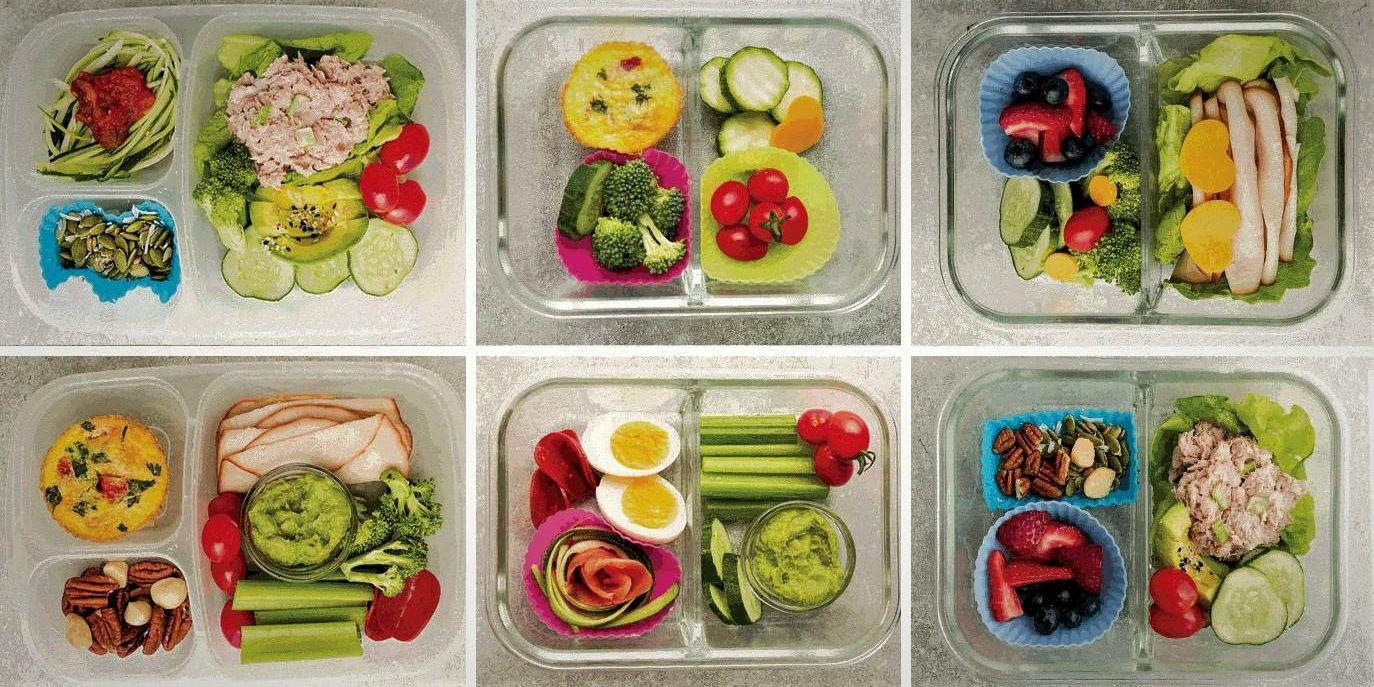
By sticking to these foods, eating keto-friendly meals (like these), and limiting your carbohydrates to 35 grams or less, you will most likely get into ketosis. The reason why I say “most likely” rather than “definitely” is because carbs aren’t the only thing that can keep you from ketosis.
Why Everyone Has A Different Carb Limit for Ketosis
At ruled.me, we recommend that everyone starts their ketogenic diet with the carb limit of 35 grams of total carbs. However, if you are not getting into ketosis or you want to find your personal keto carb limit, then you must know the other factors that contribute to ketosis.
Although this is a nuanced topic that is impacted by many different variables, let’s stick to the four things that you have the most control over when it comes to achieving ketosis. Below, we’ll go over these.
How Keto Adaptation Changes Your Ketone Burning Abilities And Your Carb Limit
Everybody can adapt to burning ketones for fuel. In the process of keto adaptation, the mitochondria (the energy powerhouse of the cell) becomes more efficient and starts replicating itself. This provides most cells with the ability to use ketones as their primary energy source instead of sugar.
These adaptations allow the body to shift into ketosis more quickly than when you first started the ketogenic diet. Also — as an added bonus — the more keto adapted you are, the more carbs you will be able to eat while remaining in ketosis.
The best way to take advantage of keto adaptation is by staying on a strict ketogenic diet for at least 3 to 6 months before trying anything fancy with your carb intake.
By this I mean, you must restrict your carbohydrates to 35 grams or less per day, get into a consistent ketosis, and give your cells at least a couple months to adapt to this way of living. This way of eating is the only way to get all of the benefits of ketosis, ketones, and keto adaptation.
There are also a couple of other factors that can improve or impair your body’s ability to adapt to the ketogenic diet that you should be aware of. These factors include exercising, eating the right amount of protein, and mitigating stress.
Exercise — It Can Be A Ketone Boosting Tool And A Keto Dieters Worst Nightmare
The right type of exercise at the right time can help you achieve ketosis more quickly and boost your body’s ketone levels.
For example, if your goal is to achieve ketosis as rapidly and healthily as possible, then it is best to use high-intensity training as a tool to deplete glycogen (your body’s storage form of sugar) and low-intensity exercise as a tool to encourage fat and ketone burning. What exactly does this look like?
If you are just starting the ketogenic diet, then you should focus on using exercise to deplete your glycogen stores, so your body is forced into ketosis more quickly. Here’s how:
- Do at-least one hour of high-intensity activity first thing in the morning
- This can be heavy weight-lifting, cross-fit training, high-intensity interval training, etc.
- After the workout, focus on recovery, rehydration, and mineral supplementation.
- For even better results, do not eat anything until dinner time.
After depleting glycogen, you should use low-intensity exercise to enhance fat burning and increase ketone levels. Here’s what that looks like:
- Do at least 30 minutes of low-intensity activity every day
- This can be a brisk walk, cycling, dancing, etc.
- For even better results, do this first thing in the morning before eating.
By increasing your activity levels and doing the right types of exercise at the right times, you can achieve ketosis more quickly, burn more fat, and improve your health in a variety of ways. As a side bonus, you can increase your daily keto carb limit without lowering your ketone levels as well.
However, if you do so much high-intensity exercise that it overwhelms your body with stress, then you may impair your ability to stay in ketosis. This is because stress can shut down ketone production.
How Stress Impairs Ketosis and Decreases Your Keto Carb Limit
Stress increases the levels of stress hormones like cortisol in the blood. It doesn’t matter where the stress comes from (your thoughts, what you did, what someone else did, etc.), it all causes the same hormonal response.
One of the hormones that is released in response to stress is cortisol. Cortisol increases the activity of gluconeogenesis to raise blood sugar levels, while simultaneously decreasing insulin sensitivity. This combination of actions causes more blood sugar to hang out in the blood for longer periods of time, which shuts down the body’s need to produce ketones.
Cortisol, however, is not the enemy. It provides us with the boost of energy we need to start the day and power through exercise and stressful situations. Problems will only arise when the body rarely stops secreting cortisol because the mind is always stressing about something.
Not sure if stress is a problem for you? Here’s a list of common stressors that can keep you from ketosis:
- Exercising too much
- Not eating enough
- Worrying about the future
- Beating yourself up for past mistakes
- Overwhelming yourself with work and never taking breaks
As these and other stressors accumulate in your life, your stress hormones remain elevated throughout the day. This limits your ability to produce ketones, lose fat, and maintain muscle mass — three things that you want to avoid at all costs on the ketogenic diet. No keto carb limit can save you from these adverse effects. You must take responsibility for mitigating your own stress.
To reduce stress and get the most out of the ketogenic diet, consider implementing these strategies (if they apply to your situation):
- Eat the right amount of calories to meet your goals. Use our keto calculator to find out how much you should be eating.
- Replace one of your high-intensity workouts with low-intensity exercise.
- Improve sleep quality by getting sun exposure during the day, limiting blue light exposure at night, and following the same sleep schedule every day.
- Use meditation to decrease cortisol and stress levels
There are plenty of other strategies and supplements that help reduce stress, but these will give you the most reliable results (and they don’t cost a thing).
However, just because you have stress under control doesn’t mean that ketosis is now guaranteed. Your protein intake may be getting in the way.
How Protein Can Keep You From Ketosis
When protein intake is too high, the body is flooded with amino acids. In response to this amino acid influx, insulin is released.
Insulin lets the cells know that plenty of energy is available (from the amino acids), so they don’t have to worry about burning fat from fat cells and producing ketones. Because of this, each high-protein meal can prevent us from getting into ketosis or keep us from reaching a deeper level of ketosis.
This is why carb restriction shouldn’t be your only focus on the ketogenic diet. To achieve ketosis efficiently, eat the right amount of protein and limit your carbohydrate consumption. Don’t just do one or the other.
In general, you should aim to get around 25% of your calories from protein. If you’re active or restricting calories for fat loss, then it is best to increase your protein intake. To find out the exact amount of protein you should eat, use our keto calculator.
The Takeaway — Is There One Keto Carb Limit?
In general, restricting your carb consumption to less than 35 grams of total carbs and 25 grams of net carbs is what we recommend for the best results. This carb limit is ideal for almost everyone on the ketogenic diet.
It is also important to know that everyone has a unique carb limit that depends on many factors. Some of the factors that you have the most control over are:
- How keto adapted you are
- How much you exercise and what types of exercise you do
- Your stress levels
- How much protein you eat
Each one of these factors can either increase or decrease your carb limit, thus impairing or improving your ability to get into ketosis. This is why finding your own personal carb limit for keto is much more nuanced and complex than you think. However, with some experimentation, you can find out how many carbs you need to eat to stay in ketosis.
How To Find Your Own Personal Keto Carb Limit
One of the only ways to find out if you can stay in ketosis while eating more carbs than we suggest is by tracking your ketones with a blood ketone meter like the Precision Xtra. You can also use Ketostix, but they are not as accurate. (To find out more about measuring ketones, check out our guide on how to measure ketosis.)
After establishing ketosis by eating less than 35 grams a day and verifying it with your ketone meter, you can try slowly increasing your carb consumption by 5 grams each day.
This doesn’t mean that you can eat sweets and candies. Simple carbs like these can kick you out of ketosis because they tend to increase insulin levels more rapidly than anything else. Instead, increase your carbs by eating complex carbohydrates from plant-based foods like vegetables or low glycemic fruits.
Measure your ketones at the same time each day to see if the increase in carbs decreases your ketone levels. If you are still maintaining ketosis after increasing your carbs, try it again. Your goal is to raise your carbs little by little while maintaining a medium or deep level of ketosis. (The ideal depth of ketosis depends on your goals.)
Here’s a quick overview of what medium and deep ketosis actually mean:
- Light Ketosis: 0.5 mmol/L – 0.8 mmol/L
- Medium Ketosis: 0.9 mmol/L – 1.4 mmol/L
- Deep Ketosis (best for weight loss): 1.5 mmol/L – 3.0 mmol/L
The only way to accurately find out if you are in light, medium, or deep ketosis is by using a blood ketone meter like the Precision Xtra.
To give you a frame of reference, most people will be in a light ketosis within two or three days after starting the ketogenic diet. It typically takes two to three weeks to get into a deep ketosis. However, if you implement some of the suggestions in this article (stress reduction, appropriate exercise, etc.), you may be able to get into a medium or deep ketosis in less than a week.
Keep in mind, however, that if you are getting great results by using the carb limit of 35 grams per day, then there is no need to go through all of this testing to raise your carb consumption. Increasing your carb limit may do nothing more for you than further complicate things.
It also essential to realize that your carb limit for ketosis will vary depending on the factors we talked about earlier. Didn’t sleep enough? You may not be able to eat as many carbs as you did yesterday and stay in ketosis. Exercising today? You may be able to get away with eating 5 to 10 more grams of carbs on that day.
Finding your carb limit for ketosis takes patience and persistence. You must track what is going on inside of your body and in your life to find out what works best for you.
If you regularly train at high intensities, however, you may require specific guidance that reaches beyond increasing your daily carb limit. You may benefit from another type of ketogenic diet altogether.
The Keto Carb Limit For Athletes And Other High-Intensity Exercisers
If you are a keto athlete or do some form of high-intensity exercise and your performance is tanking, then increasing your daily carb limit little by little won’t help. You need to use carbohydrates as a tool.
For example, exercise beginners who are suffering through their high-intensity training sessions should increase their carbs during a “targeted” time. This is why high-intensity exercise beginners should follow the targeted ketogenic diet.
- The targeted ketogenic diet is implemented by taking 25-50g of easily digestible carbohydrates like natural maple syrups 30 minutes before exercise. This strategy, however, won’t work for intermediate, advanced, or elite keto athletes and high-intensity trainers. They may require the cyclical ketogenic diet to improve performance.
- The cyclical ketogenic diet is comprised of 1-2 carbohydrate refeeding days followed by 5-6 strict ketogenic diet days. This type of ketogenic diet combines carbohydrates with ketosis to improve strength, performance, and body composition. To implement the cyclical ketogenic diet correctly, you must deplete your glycogen stores with high-intensity exercise training and get into ketosis before the carbohydrate re-feeding days.
For more in-depth information on the difference between the cyclical, targeted, and standard ketogenic diets, check out our guide on the three ketogenic diets.
This article wouldn’t be complete, however, if I neglected to mention another, simpler performance boosting tool. Whether you are on the targeted ketogenic diet, the cyclical ketogenic diet, or the standard ketogenic diet, ketone boosting supplements can take the benefits of the ketogenic diet to the next level.
How To Boost Ketones Without Limiting Your Carbs
There are two main supplements on the market right now that have been scientifically proven to boost ketone levels. They are ketone salts and MCT oil (my personal favorite).
1. Ketone Salts
Ketone salts are a powder that consists of a combination ketone bodies with a mineral. You’ll commonly see sodium, potassium, magnesium, or calcium bound together with beta-hydroxybutyrate (BHB) or acetoacetate in these ketone salt supplements.
Taking ketone salts results in a substantial increase in ketone levels without having to wait for 3 to 10 days (like during the standard ketogenic diet). However, one study found that they may impair your ability to stay in a deep ketosis for the long term.
Taking ketone salts shouldn’t be looked at as a replacement for carbohydrate restriction either. Studies on rats suggest that ketone salt supplementation doesn’t provide all of the same benefits that you will get from following the ketogenic diet.
For those who want to experiment with ketone salts, it is best to pick one that fits your mineral needs. Most people are deficient in magnesium, so a magnesium-containing ketone salt may be best for you.
The ketone body you should get is, without a doubt, BHB. On a biochemical level, this ketone body goes through an additional chemical reaction that helps increase cellular energy, which means you’ll get more energy out of BHB than any other ketone body. (Confused with all of this ketone body talk? check out our article on ketones.)
2. MCT Oil
Although they aren’t ketones themselves, medium chain triglycerides (MCTs) can be broken down into ketone bodies in the liver whether you are in ketosis or not.
MCTs are a saturated fat that is unlike any other saturated fat. They skip the typically slow and arduous process of fat digestion and go straight to the liver where they can be converted into ketone bodies right away. This happens regardless if you are on a high-carbohydrate diet or a ketogenic diet — amazing!
These ketone boosting fats are naturally found in coconuts, coconut milk, and coconut oil, but the most efficient way to consume MCTs is by taking an MCT oil supplement.
The best MCT oil to take is one that exclusively contains a medium chain triglyceride that is called caprylic acid (the C-8 medium chain triglyceride). Caprylic acid is known to digest more quickly and easily into ketones than the other types of medium chain triglycerides.
However, if you can’t afford the higher price tag of caprylic acid, then any other MCT oil or MCT powder will do. Put a tablespoon or two of KetoMCT oil or Now Sports MCT oil in your protein shakes, salad dressings, or sauces for a consistent ketone boost with no side effects.
Keep in mind that MCTs, ketone salts, and other ketone boosting supplements cannot provide you with all of the benefits you will get from the ketogenic diet It is best to get into ketosis by limiting carbs before using these supplements for the best results.
Putting It All Together — Your Keto Carb Limit
Technically, there is no carb limit for the ketogenic diet. Each keto website has slightly different suggestions, but in general, most people will get the best results from staying below 35 grams of total carbs per day. By restricting your carbs even lower — especially your net carbs — you can get into a deeper ketosis more quickly.
Not everyone, however, will get the same results with the same carb limit because our ketone levels depend on our activity levels, protein intake, stress, and keto adaptations.
Because of this, some people may thrive on the ketogenic diet with a higher carb intake while others should consume below 35g of carbs per day.
To find your personal keto carb limit, you can experiment with eating extra carbs and checking your ketone levels. Slowly add 5 grams of complex carbs from vegetables or low carb fruits per day until you notice a drop in ketones. From there, decrease your carbs until your ketones are back up, and that is your new carb limit.
However, you must keep in mind that your stress levels, activity levels, protein intake, and keto adaptation will change your carb limit, so it may be easier for you to stick to a carb limit that keeps you in ketosis no matter what. Eating Less than 35 grams of carbs per day is one of the most effective ways to accomplish this.
If you are a high-intensity athlete or exercise beginner, you may benefit from a different kind of carb limit. For athletes and others who exercise regularly, the cyclical ketogenic diet may be the best option for boosting performance. On the other hand, exercise beginners may do best on the targeted ketogenic diet.
Either way, keto athlete or not, you can also benefit from ketone boosting MCTs or ketone salts. All you need is a small dose of one or the other, and you’ll be in ketosis.
However, these supplements don’t even come close to giving you all the benefits that you get from following the ketogenic diet. To get started, limit your total carbs to less than 35 grams per day and use our beginner’s guide.