
There are more than 100 foods to avoid on the keto diet that will slow down (or shut down) your body’s fat-burning capabilities. Replace these with ketogenic foods to get yourself on track for success.
The list of foods is crucial for the ketogenic diet if you want to reap the greatest health benefits.
Remember that carbs must be kept very low to remain in ketosis. Most people need to stay within 20-30 grams of net carbs per day, depending on your current body composition and activity level.
Calculate Your Macros With the Keto Calculator
Too many carbohydrate-rich foods can bring you out of ketosis and slow down your body’s fat-burning capabilities. To ensure you stay on track, use the free Perfect Keto macro calculator.
You’ll also want to bookmark this page so you get familiar with non-ketogenic foods to avoid when you’re trying to get into or stay in ketosis.
Carbs to Avoid on a Ketogenic Diet
There are five types of carbs to avoid on keto:
- Grains
- Beans and legumes
- Most fruits
- Starchy vegetables (including sweet potatoes, potatoes, and most winter squash)
- Sugar (natural, calorie-free sweeteners like stevia and erythritol are OK)
Grains
If you’re going to get into ketosis quickly, you need to limit your carb intake. All grains are mostly made of carbohydrates, so the easiest and best way to stay low-carb is to avoid grains completely.
Some carbs, like rice and corn, contain enough carbs in one serving to hit your entire day’s carb allotment.
Beans and Legumes
Beans provide some fiber and other nutrients, but they’re not a great fit for the keto diet due to their high starch (carb) content. An exception is green beans, as they’re younger and less starchy than dried beans. Avoid legumes including*:
Most Fruits
Fruit is healthy, right?
Sure, but that doesn’t mean they’re keto-compliant. Fruit is high in sugar and carbs, so they’re usually a no-go on the keto diet. That includes tropical fruits, fruit juices, dried fruits, and fruit smoothies (for the most part).
If you do have fruit, choose lower-sugar options like strawberries, blueberries, blackberries, and raspberries, and eat them sparingly.
Your smoothies should be mostly veggies, healthy fats, protein like collagen powder or nut butter, and sugar-free liquids like almond milk or hemp milk. For an additional omega-3 boost, add flaxseed or chia seed to your smoothies.
Starchy Vegetables
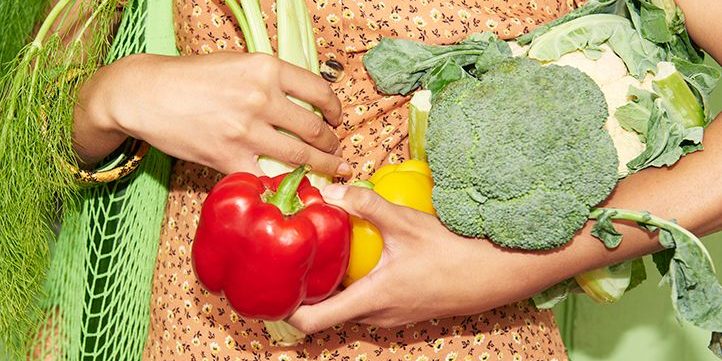
Avoid any vegetables that grow beneath the ground (like carrots, turnips, potatoes, and sweet potatoes) and focus more on non-starchy vegetables. This includes brassicas like Brussels sprouts, broccoli, kale, and collards. Other veggie options include leafy greens, like chard, spinach, and lettuce, and non-starchy veggies including bell peppers, eggplant, and zucchini.
The high starch content of some vegetables (like those in the list below) is problematic because — like with beans — high-starch means high-carb*.
Sugars
Sugar has 56 different names on nutritional labels. There are hidden sugars everywhere.
While there might be better options for overall health like raw honey, sugar is sugar, and it will still kick you out of ketosis. Sugars to avoid*:
Try these Perfect Keto dessert recipes without sugars:
- Low-Carb Lemon Cashew Cookies
- Superfood Nice Cream
- Perfect Keto Chocolate Mousse
Other great options are coconut butter, cocoa-dusted almonds, and dark chocolate. Look for 75-90% dark chocolate for the lowest carb counts.
What About Carbs During Exercise?
You might wonder if you need more carbs to support your workouts. The truth is that the importance of carbs for exercise is often way overblown.
For competitive athletes and bodybuilders looking to build a large amount of muscle, there might be a need for strategic carb re-feeds. In this case, a targeted ketogenic diet might be appropriate, where carb intake is increased slightly around workouts.
Otherwise, you probably don’t need those extra carbs.
Proteins to Avoid on Keto
Protein is important on a ketogenic diet, but you should always opt for high-quality proteins.
There are two main types of protein to avoid on a ketogenic diet:
- Milk and low-fat dairy
- Factory-raised meat and animal byproducts and processed meats
Milk and Low-Fat Dairy
Full-fat versions of certain dairy products like Greek yogurt, butter, heavy cream, cottage cheese, and sour cream are fine on the ketogenic diet. However, you should avoid all other milk and low- and reduced-fat dairy products that contain more carbs and sugar.
Other considerations include how much lactose is in the cheese you eat. Younger cheeses like mozzarella have more lactose than aged cheeses like cheddar, parmesan, romano, and asiago.
Not only is low-fat and non-fat dairy higher in carbs, but pasteurized milk is hard to digest for most people. It also lacks beneficial bacteria, and usually contains harmful hormones. Raw milk is OK in small amounts (start with no more than a serving per day). Just don’t forget to account for the carbs.
Factory Farmed Animal Products
Choose organic, pastured, grass-fed meat and eggs and wild-caught seafood on this diet. If you’re drinking bone broth on your keto meal plan, the bones you use should follow these rules too.
Perfect Keto’s founder Dr. Anthony Gustin has an information-packed series on why source matters and guides on how to buy good food.
- Avoid grain-fed meats and dairy — they are lower in precious nutrients, especially omega-3s.
- Stay away from factory-farmed fish and pork products, which are high in inflammatory omega-6 fatty acids. Plus, factory-farmed fish is usually higher in mercury.
- Avoid processed meat like hot dogs and packaged sausages, since they usually contain nitrates and other additives you don’t need.
Try these recipes made with healthy keto proteins:
- Portobello Bun Cheeseburgers
- Cheesy Broccoli Meatza
- Lemon Balsamic Chicken
- Crispy Skin Salmon With Pesto Cauliflower
Fat Foods to Avoid on Keto
Fat is an excellent food source that helps your body make important hormones and neurotransmitters. Plus, without all those carbs, your body will use more fatty acids to fuel your body and brain.
However, the source and quality of your fats are crucial. Healthy fats are the most keto-friendly food you can imagine.
Not all fats are created equal, and processed vegetable oils are by far the worst for you.
Inflammatory Vegetable Oils
Your keto meals should focus on using high-quality, healthy fats. Unprocessed and nutritious oils, such as coconut oil, virgin olive oil, pasture-raised ghee, butter, and macadamia nut oils are great sources of healthy fats. If you choose healthy sourcing for your animal proteins, lard and tallow can also provide you with healthy fat.
Other great sources of healthy fats are small fatty fish (like mackerel and sardines), avocado oil, pasture-raised egg yolks, and avocado-based mayonnaise. Avoid harmful processed vegetable oils like these four offenders:
See this full guide on good fats vs. bad fats for more information.
For some good fats, whip up these nutritious fat bombs:
- Anti-Inflammatory MCT Oil Fat Bomb
- Peaches & Cream Fat Bomb
- Macadamia Nut Fat Bomb
Drinks to Avoid on a Keto Diet
It’s better to avoid drinking your calories on any diet and stick to water and no-sugar drinks. Stay clear of these:
- High-carb alcohol
- Soft drinks
High-Carb Alcohol
Alcohol can easily slow down fat loss in ketosis. Plus, many alcoholic drinks are carb-heavy, such as:
If you are drinking, reach for hard liquor first. (Is that the first time you’ve ever heard that suggestion?)
Even though it’s also made from carb sources, those sugars are converted to ethyl alcohol during the distillation and fermentation process.
Alcohol is ethanol, which your body (mostly your liver) will prioritize into breaking down and detoxing. That means, if you’re trying to lose weight, your body takes a break on fat-burning to take care of those tequila shots first.
And that slows fat loss.
Check out this guide on what you need to know about drinking on keto to learn what’s best to imbibe.