
The Ultimate Keto Diet Foods List of What You Can (and Can’t) Eat
If fast weight loss while consuming nearly unlimited amounts of fat sounds too good to be true, “think again,” keto diet devotees say. Followers of the trendy high-fat, low-carb meal plan swear it clears the brain while lowering the number on the scale.
Although long-term health effects of the diet, which requires roughly 80% of your daily calories to come from fat, are still unknown for the average person, the Keto diet has long been used to treat children with epilepsy and people with diabetes.
But the biggest question of all is how does eating keto diet foods cause you to lose weight when you’re eating bacon, butter, and cheese? Keep reading for the details, plus learn which foods you can (and can’t!) eat on this diet.
Carbs (5-10% of calories)
Approximate grams of carbs per day based on a 2,000-calorie diet: 40
“Drastically limiting your intake of glucose, the usual energy source for your cells, reduces insulin secretions in your body. Since low levels of glucose are coming in, the body uses what is stored in the liver and then the muscles,” says Rania Batayneh, MPH, the author of The One One One Diet: The Simple 1:1:1 Formula for Fast and Sustained Weight Loss. After about three or four days, all of the stored glucose is used up.
“For an alternative source of energy, your liver will start to convert fat into ketones, which will then be released into the bloodstream and be used by your cells for energy. Basically, your brain and muscles will be fueled by fat instead of carbohydrates,” says Michelle Hyman, MS, RD, CDN a registered dietitian at Simple Solutions Weight Loss.
Nosh on noodles or other high-carb foods and you’ll send your body back into glucose-burning mode; eat too little and you’ll likely feel your energy dragging. Most keto dieters aim to eat between 20 to 50 grams of carbs per day to maintain that ketone-burning state called “ketosis.”
You should aim to score your carbs from high-fiber, water-rich fruits and vegetables to naturally boost hydration and keep your digestive system humming along. Unsure of whether a produce pick is low in carbs? Reach for options grown above the ground (leafy greens, peppers, and stalk-shaped vegetables), rather than below ground (root veggies like potatoes, carrots, and parsnips), as they typically offer fewer carbs.
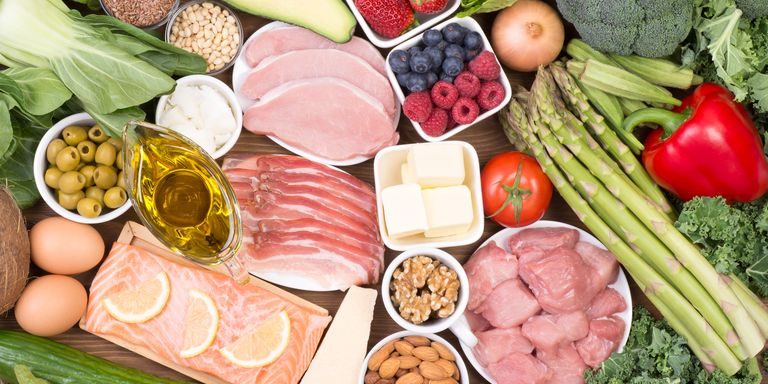
Good examples of carb keto diet foods:
- Tomatoes
- Eggplant
- Asparagus
- Broccoli
- Cauliflower
- Spinach
- Green Beans
- Cucumber
- Bell peppers
- Kale
- Zucchini
- Celery
- Brussels sprouts
Protein (10-20% of calories)
Approximate grams of carbs per day based on a 2,000-calorie diet: 70
Protein is essential to build muscle cells and burn calories. Eat too much or too little of it as part of your keto diet food plan and you’ll end up sabotaging your goals.
In the absence of carbs and protein, for instance, if you’re sticking to the very low-carb quota of keto and eating more fat and less protein than recommended, your body will turn to muscle tissue as fuel. This, in turn, will lower your overall muscle mass and the number of calories you burn at rest.
Overdose on protein (following this macronutrient breakdown, that would equate to anything above and beyond one six-ounce steak and one four-ounce chicken breast) and you’ll put undue strain on your kidneys. Plus, your body will convert the excess protein to carbohydrates for fuel. That’s the exact opposite goal of the keto diet.
Shoot for around 15% of calories from high-fat protein sources like those below. Some, such as Greek yogurt, eggs, and cheese, provide important vitamins to keep your hair, eyes, and immune system strong.
“While processed meats like sausage and bacon are technically permitted on the keto diet, I’d recommend to limiting them since they’re high in sodium,” Hyman says.
Good examples of protein keto diet foods:
- Chicken, dark meat if possible
- Turkey, dark meat if possible
- Venison
- Beef
- Salmon
- Sardines
- Tuna
- Shrimp
- Pork
- Lamb
- Eggs
- Natural cheeses
- Unsweetened, whole milk plain Greek yogurt
- Whole milk ricotta cheese
- Whole milk cottage cheese
Fat (70-80% of calories)
Approximate grams of carbs per day based on a 2,000-calorie diet: 165
Here’s where the bulk of your intake comes into play. Several studies have shown that a higher-fat diet can reduce cravings and levels of appetite-stimulating hormones ghrelin and insulin.
When you’re assembling your keto diet food stash, go full-fat. And don’t stress over the dietary cholesterol content, a factor of how much animal protein you eat, suggests a study published in The Journal of Nutrition. Instead, focus on consuming a higher ratio of unsaturated fats (flaxseed, olive oil, nuts) to saturated fats (lard, red meat, palm oil, butter).
Good examples of fat keto diet foods:
- Olive oil
- Avocado oil
- Olives
- Avocados
- Flaxseeds
- Chia seeds
- Pumpkin seeds
- Sesame seeds
- Hemp hearts
- Coconuts
- Nuts
- Natural, no-sugar-added nut butters
What to Avoid
Make it easier to stay within the macronutrient framework of the keto diet by steering clear of these foods, Hyman says:
- Beans, peas, lentils, and peanuts
- Grains, such as rice, pasta, and oatmeal
- Low-fat dairy products
- Added sugars and sweeteners
- Sugary beverages, including juice and soda
- Traditional snack foods, such as potato chips, pretzels, and crackers
- Most fruits, except for lemons, limes, tomatoes, and small portions of berries
- Starchy vegetables, including corn, potatoes, and peas
- Trans fats, such as margarine or other hydrogentated fats
- Most alcohols, including wine, beer, and sweetened cocktails
Possible Side Effects
There are a number of immediate side effects people transitioning over to a keto diet may experience. According to a New York Times article exploring the keto diet, some people will experience stomach issues and gastrointestinal distress due to such a drastic change in diet. There is also the “keto flu” — characterized by dizziness, fatigue, and poor sleep — that can come within the first few days if dieters aren’t careful about replenishing their fluids and sodium. Some people also experience a halitosis known as “keto breath,” which is attributed to an increased production of acetone — one of the ketone bodies.
Experts also stated that after 12 months of the diet, the weight loss advantage for keto followers compared to other dieters may plateau and disappear all together. Carol F. Kirkpatrick, director of Idaho State University’s Wellness Center, told The New York Times that keto should be seen as a “kick-start diet” to be used before switching over to a more sustainable carb intake.
Some health experts have also warned dieters about the possible longer-term cardiovascular side effects for people who follow the diet for several years. Currently there are no long-term studies on the keto diet to see what effects, positive or negative, the diet can have on the body over the course of several years, leaving some doctors worried about the negative outcome eating so much fat could have on the body’s bad cholesterol.
Helpful Tips: Ketogenic Foods to Avoid
Atkins 20® and Atkins 40® are ketogenic diets*; based on a nutrition plan that’s high in fats and low in carbs. The ultimate goal of a keto diet is to achieve nutritional ketosis—a metabolic state where your body burns stored fat for fuel instead of carbohydrates and sugar. Since Atkins 20® and 40® are keto diets, we’re here to help you reach your goals with a list of foods to avoid on keto:
Grains
The key to a successful keto diet is simple—limit your carb intake and get the majority of your calories from fat. The problem with grains is that they are filled with carbohydrates, which can hurt your keto progress. It’s best to avoid grains altogether if possible, especially these:
- Pumpernickel
- Oatmeal
- White
- Flour & corn tortillas
- Wheat
- Rye
- Sourdough
- Oats
- Corn
- Buckwheat
- Sandwich wraps
- Quinoa
- Sorghum
- Barley
- Rice
Pro tip: It’s important to remember that bread, pasta, cookies, crackers, or pizza crusts made from any of these types of grains will also result in high carb counts.
Fruits
While it may seem a bit surprising to see fruits appear on a “foods to avoid on keto” list, several fruits are high in sugar and carbs. Your best bet is to reach for low glycemic fruits such as blackberries, blueberries, raspberries, strawberries, and tomatoes. Olives and avocados are also excellent sources of healthy fat. It is best avoid fruits such as:
- Tangerines
- Oranges
- Pineapples
- Bananas
- Apples
- Pears
- Grapes
- Fruit Juices
- Mangos
- Nectarines
- Peaches
- Dried fruits such as raisins, dates, and dried mango
- Fruit smoothies (carb count will vary by fruits used)
- All fruit juices (excluding lemon and lime juice)
Pro Tip: Avoid frozen fruits that may have been sweetened as they tend to have higher carb counts.
Vegetables
When it comes to vegetables, the keto rule of thumb is to avoid any veggies that grow beneath the ground. Avoid vegetables with a high starch content, as they contain the most carbs. It is best if you aim to consume around 12-15g net carbs from vegetables per day, and here are the keto diet foods to avoid:
- Potatoes
- Sweet potatoes
- Baked potatoes
- Yams
- Peas
- Corn
- Artichoke
- Parsnips
- Cassava (Yuca)
Pro tip: Watch out for casseroles and other types of pre-made foods that contain these vegetables, increasing the carb count.
Legumes
Leguminous plants such as beans and peas are typically high in protein and other vital nutrients. But because they are high in carbs, they are another type of ketogenic diet food to avoid:
- Baked beans
- Chickpeas
- Lima beans
- Pinto beans
- Black beans
- Black-eyed peas
- Lentils
- Green peas
- Kidney beans
- Cannellini beans
- Great Northern beans
- Lima beans
- Navy beans
Dairy
Dairy is typically a low carb food group when eaten in moderation. However, it is important to remember that dairy does contain carbs, so try to limit your intake to no more than 3-4 ounces per day. Here are some dairy foods to avoid on keto:
- Most milks
- Condensed milk
- Creamed cottage cheese
- Fat-free or low-fat yogurt
Protein
Having adequate protein intake on a keto diet is critical for maintaining muscle mass. Fish and poultry are two great sources of protein that are low in carbs. Typically on a keto diet, you want to opt for fattier cuts of meat like ribeye steaks, chicken thighs, and fatty fish like salmon. Our recommendation would be to avoid or limit processed meats, specifically:
- Bacon with added sugar
- Breaded meats
- Other processed meats that may contain hidden carbs
Oils and other unhealthy fats
Consuming a healthy amount of fat is an integral part of Atkins and any keto diet. Although these oils may be carb free, the recommended intake for added fats is 2-4 tablespoons daily.
Pro tip: Do not allow any oils to reach overly high temperatures when cooking, and only use walnut or sesame oil to dress cooked veggies or salad (but not for cooking).
Beverages
Pay close attention to what you drink, as drinks are often a significant source of hidden sugars and carbs. A majority of your liquid consumption should come from water, as you should be drinking 6 to 8 glasses of water daily. The following beverages should be avoided while following Atkins keto:
- Colas
- Hot Chocolate
- Ginger Ale
- Grape Soda
- Root Beer
- Tonic Water (Not sugar-free)
- Energy Drinks (Not sugar-free)
- Sports Drinks
- Vitamin Water
- Fruit juices
- Lemonade
- Sweetened iced tea
- Frappuccino
- Mocha
- Non-light beers
- Cocktails such as margaritas, screwdrivers, and piña coladas
Now that you know which foods to avoid on keto, you can make the correct adjustments to continue living your low carb lifestyle. You can also check out our keto friendly food list for more low carb guidance and explore different Atkins plans personalized to your lifestyle.