

Ketogenic diet: Is the ultimate low-carb diet good for you?
The keto diet is short for “ketogenic diet.” It’s a high-fat diet that has the potential to turn your body into a fat-burning machine.
The keto diet changes the way your body converts food into energy. Normally, your body turns carbohydrates (think bread and pasta) into glucose for energy. Eating a lot of fat and very few carbs puts you in ketosis, a metabolic state where your body burns fat instead of carbs for fuel.
WHAT ARE KETONES?
When your body can’t get glucose from your diet, your liver turns body fat and fat from your diet into molecules called ketones, an alternative source of fuel. This puts you into ketosis, aka prime weight loss mode.
According to some metabolic experts, you’re in the state of ketosis when your ketone levels measure 0.5-3.0 millimoles per liter. The keto diet is one way to get your body to make ketones. Other ways to run on ketones include intermittent fasting and using up your glucose reserves by exercising.
BENEFITS OF THE KETO DIET
The keto diet quickly boosts weight loss because your body turns fat from your diet and your internal fat stores into ketones. And unlike glucose, ketones can’t be stored as fat because they aren’t digested the same way.
That’s surprising, right? For decades, you’ve heard that fat makes you fat. Your body is actually built to use fat as an alternative source of fuel. For most of history, people weren’t eating three square meals and snacks throughout the day. Instead, humans would have to hunt and gather their food, and they learned to thrive when there wasn’t any food available, sometimes for days on end. To keep going, their bodies used stored fat for energy. Thanks, evolution.
KETO DIET BENEFITS:
- Burns body fat: When you’re on keto, your body uses stored body fat and fat from your diet as fuel. The result? Weight loss.
- Reduces appetite: Ketones suppress ghrelin — your hunger hormone — and increase cholecystokinin (CCK), which makes you feel full. Reduced appetite means it’s easier to go for longer periods without eating, which encourages your body to dip into its fat stores for energy. More research needs to be done in the area of appetite and ketosis, but it seems a lot of people experience reduced hunger.
- Reduces inflammation: Inflammation is your body’s natural response to an invader it deems harmful. Too much inflammation is bad news because it increases your risk of health problems. A keto diet can reduce inflammation in the body by switching off inflammatory pathways and producing fewer free radicals compared to glucose.
- Fuels your brain: Ketones are so powerful that they can provide a good portion of your brain’s energy needs, which is way more efficient than the energy you get from glucose. Did you know your brain is made up of more than 60 percent fat? That means it needs a lot of fat to keep the engine humming. The quality fats you eat on a ketogenic diet do more than feed your day-to-day activities — they also feed your brain.
- Increases energy: When your brain uses ketones for fuel, you don’t experience the same energy slumps as you do when you’re eating a lot of carbs. When your metabolism is in fat-burning mode, your body may tap into its readily available fat stores for energy. That means no more energy crashes or brain fog. Ketosis also helps the brain create more mitochondria, the power generators in your cells. More energy in your cells means more energy to get stuff done.
- Curbs cravings: Fat is a satiating macronutrient. You eat a more smart fats on keto, so you feel fuller, longer.
HOW TO LOSE WEIGHT ON KETO
So, how exactly do you lose weight on keto?
When you start eating more fat and cut out the extra carbs (think sugar, bread and pasta), you tend to experience fewer blood sugar swings and cravings that plague most people on the Standard American Diet. When your body runs on ketones for fuel, it has a steady supply of energy in the form of body fat. When your body relies on glucose, it needs a regular hit of carbs to keep it going.
Ketones may help control your hunger and satiety hormones so you feel satisfied and full, not hangry. That means fewer cravings, more energy and increased fat-burning. Here’s how it works.
HOW KETONES AFFECT YOUR HUNGER HORMONES
Ketones impact cholecystokinin (CCK), a hormone which makes you feel full, and ghrelin, the “hunger hormone.”
- CCK: Your intestines release CCK after you eat, and it is a powerful regulator of food intake — so much that one study injecting obese men with CCK will cause them to cut their meals short. Ketones increase CCK levels so you actually satisfied after meals.
- Ghrelin: Ghrelin is called “the hunger hormone” because it increases appetite. It’s released from your stomach and intestines, with blood levels reaching their highest point when you fast. When you finally eat a meal, ghrelin drops in response to nutrients circulating in your blood. Ketosis suppresses the increase in ghrelin levels that occur with weight loss. So, when you’re in ketosis, you aren’t constantly thinking about your next meal.
Recently, many of my patients have been asking about a ketogenic diet. Is a ketogenic diet safe? Would you recommend it? Despite the recent hype, a ketogenic diet is not something new. In medicine, we have been using it for almost 100 years to treat drug-resistant epilepsy, especially in children. In the 1970s, Dr. Atkins popularized his very-low-carbohydrate diet for weight loss that began with a very strict two-week ketogenic phase. Over the years, other fad diets incorporated a similar approach for weight loss.
What is a ketogenic (keto) diet?
In essence, it is a diet that causes the body to release ketones into the bloodstream. Most cells prefer to use blood sugar, which comes from carbohydrates, as the body’s main source of energy. In the absence of circulating blood sugar from food, we start breaking down stored fat into molecules called ketone bodies (the process is called ketosis). Once you reach ketosis, most cells will use ketone bodies to generate energy until we start eating carbohydrates again. The shift, from using circulating glucose to breaking down stored fat as a source of energy, usually happens over two to four days of eating fewer than 20 to 50 grams of carbohydrates per day. Keep in mind that this is a highly individualized process, and some people need a more restricted diet to start producing enough ketones.
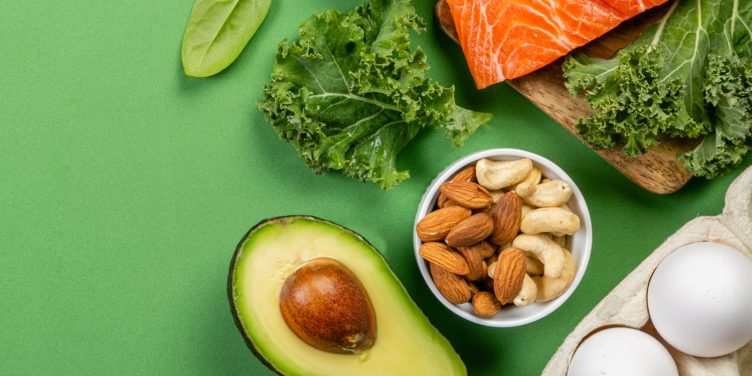
Because it lacks carbohydrates, a ketogenic diet is rich in proteins and fats. It typically includes plenty of meats, eggs, processed meats, sausages, cheeses, fish, nuts, butter, oils, seeds, and fibrous vegetables. Because it is so restrictive, it is really hard to follow over the long run. Carbohydrates normally account for at least 50% of the typical American diet. One of the main criticisms of this diet is that many people tend to eat too much protein and poor-quality fats from processed foods, with very few fruits and vegetables. Patients with kidney disease need to be cautious because this diet could worsen their condition. Additionally, some patients may feel a little tired in the beginning, while some may have bad breath, nausea, vomiting, constipation, and sleep problems.
Is a ketogenic diet healthy?
We have solid evidence showing that a ketogenic diet reduces seizures in children, sometimes as effectively as medication. Because of these neuroprotective effects, questions have been raised about the possible benefits for other brain disorders such as Parkinson’s, Alzheimer’s, multiple sclerosis, sleep disorders, autism, and even brain cancer. However, there are no human studies to support recommending ketosis to treat these conditions.
Weight loss is the primary reason my patients use the ketogenic diet. Previous research shows good evidence of a faster weight loss when patients go on a ketogenic or very low carbohydrate diet compared to participants on a more traditional low-fat diet, or even a Mediterranean diet. However, that difference in weight loss seems to disappear over time.
A ketogenic diet also has been shown to improve blood sugar control for patients with type 2 diabetes, at least in the short term. There is even more controversy when we consider the effect on cholesterol levels. A few studies show some patients have increase in cholesterol levels in the beginning, only to see cholesterol fall a few months later. However, there is no long-term research analyzing its effects over time on diabetes and high cholesterol.
Key takeaways from a ketogenic diet review?
A ketogenic diet could be an interesting alternative to treat certain conditions and may accelerate weight loss. But it is hard to follow, and it can be heavy on red meat and other fatty, processed, and salty foods that are notoriously unhealthy. We also do not know much about its long-term effects, probably because it’s so hard to stick with that people can’t eat this way for a long time. It is also important to remember that “yo-yo diets” that lead to rapid weight loss fluctuation are associated with increased mortality. Instead of engaging in the next popular diet that would last only a few weeks to months (for most people that includes a ketogenic diet), try to embrace change that is sustainable over the long term. A balanced, unprocessed diet, rich in very colorful fruits and vegetables, lean meats, fish, whole grains, nuts, seeds, olive oil, and lots of water seems to have the best evidence for a long, healthier, vibrant life.