
CAN YOU EAT BEANS ON THE KETO DIET?
Most types of beans such as red kidney beans, black beans, and pinto beans should be avoided on a standard ketogenic diet due to their high carbohydrate content. However, low-carb bean alternatives such as lima beans and black soybeans can be enjoyed in moderation.
Additionally, those following a cyclical (CKD) or targeted ketogenic diet (TKD) may be able to incorporate higher carb beans into their diet during carb-up days.
One of the biggest problems people face when going on the ketogenic diet is knowing what to eat.
Everyone knows that being on the low carb, high-fat lifestyle means you must restrict sugars and processed carbs to fully benefit from keto.
But what about beans? They’re a great source of protein and fiber, but can they fit into your keto lifestyle?
In this article, we’ll talk about:
- What are beans
- Beans to avoid on keto
- Keto-friendly, low carb beans
- Low-carb bean alternatives
- When are beans acceptable on keto
- When to avoid beans on keto
WHAT ARE BEANS? ARE THEY ACTUALLY HEALTHY?
Beans are considered one of the longest cultivates plants since the history of time. They contain soluble fiber, carbohydrates, protein, folate, and iron.
Due to their macronutrient content, many people believe that beans should have a place in anyone’s diet.
Many studies show that people who eat beans have a decreased risk of heart disease, cancer, and mortality.
But what you’re about to find out is – beans aren’t necessarily as healthy as we thought – especially if you’re on a ketogenic diet.
Here are a few potentially harmful ingredients beans contain:
- Phytates. Beans store phosphorus as phytic acid. Phytates can interfere with your body’s ability to absorb essential minerals such as iron, zinc, manganese, and calcium.
- Lectins. Found in high levels in beans, lectins function as a natural pesticide to protect plants from harmful organisms. Lectins can bind to your intestinal wall and exacerbate symptoms of leaky gut syndrome.
- Protease inhibitors. These are compounds that block your body’s protein-digesting enzyme, protease. Over time, this can also increase the chances of leaky gut.
LIST OF BEANS TO AVOID ON KETO
Like most foods, there are several variations and while certain beans may be considered ketogenic friendly, others should be avoided at all costs.
To successfully follow a ketogenic diet, it’s important to keep carbohydrates under a certain threshold so that your body can continuously burn fats for energy.
Most of the beans that are “keto-friendly” are much lower in overall carbohydrates.
Avoid these beans at all costs if you’re on keto:
- Red kidney beans. While these beans may contain a lot of protein, they are packed with a lot of carbohydrates. Just 100g of red kidney beans contain a little over 30g of carbohydrates.
- Adzuki beans. About 1 cup of adzuki beans comes out to around 50g of total carbohydrates so they are best avoided on the ketogenic diet.
- Black beans. You should avoid consuming black beans at all costs on the ketogenic diet. They contain a large number of carbohydrates and just one cup can ruin your ketosis efforts. In fact, there are around 31g of carbs in a 50g serving of black beans.
- Pinto beans. Just like black beans, these should also be completely stripped from your diet as a ketogenic dieter. 100g of pinto beans contains about 47g of total carbs, which can kick you out of ketosis.
STICK TO THESE LOW-CARB BEAN SOURCES
There are several food sources that taste similar to beans and have a very low carbohydrate content which makes them a perfect substitute for beans when a meal calls for them.
Here are the two best low-carb bean alternatives:
- Lima beans. Lima beans are one of the best keto-friendly beans available because a single serving is only 10g of carbs (per 50g) and most of those carbs are fiber.
- Black soybeans. Ketoers love black soybeans because they have only 12g of carbs per 100g. The majority of these carbs are also fiber which makes it great for people on the low carb, high-fat lifestyle.
LOW-CARB BEAN ALTERNATIVES
Many people like beans because of their texture and how complementary they can be for certain dishes. If you’re someone who wants to substitute beans for a similar food source alternative, consider eating the following:
- Beanless refried beans. This dish requires zucchini, onion, chili powder, garlic, cumin powder, salt, black pepper, chia seeds, almond butter, oregano, apple cider vinegar, and beef tallow. It’s a bean alternative and comes out to only 8g of carbs per serving!
- Enoki mushrooms. These mushrooms can be purchased fresh or canned and it’s a perfect side for salad or soup. One cup of enoki mushrooms contains only 3g of net carbs which makes it perfect for the ketogenic diet. They’re also highly nutrient-dense and contains vitamin B, magnesium, potassium, iron, and phosphorus.
WHEN ARE BEANS ACCEPTABLE ON THE KETOGENIC DIET?
People love to eat beans because of their unique texture, it’s complementary to various meals, and it’s also a great source of fiber.
Unfortunately, most beans are too high in carbohydrates to be acceptable on a standard ketogenic diet.
The only time high-carb beans are acceptable on keto is if you are following a cyclical (CKD) or targeted ketogenic diet (TKD).
With these approaches, you’re allowed to have some carbs during specific time periods to allow your body to restore it’s glycogen stores for optimized athletic performance and increased muscle building.
WHEN TO AVOID BEANS ON THE KETOGENIC DIET
Not all beans have the same carbohydrate content. For example, black beans and pinto beans are very high in carbs which means even less than half a cup can make you slip out of ketosis.
Consume beans on keto only if:
- You are following a cyclical ketogenic diet. This is when you have higher carb days one or two times out of the week. Athletes and people who want to build muscle can benefit from high-carb beans like black and pinto beans during their carb-ups.
- You choose the low-carb beans listed above. Low-carb beans can be consumed in small amounts during your standard ketogenic diet. If you are adamant about eating beans, try to time them around your workout so your body can burn through the extra carbs for energy.
LOW-CARB BEANS FOR YOUR KETOGENIC DIET
Beans have been a staple in our society’s diet for hundreds of years. But since many types of beans are high in carbohydrates, they may not be considered the best option for ketoers.
Fortunately, there are several low-carb beans you can incorporate into your keto diet if you don’t want to give them up.
Stick to the low-carb beans mentioned in this article (unless you’re following TKD or CKD) and you should have no problem incorporating them into your ketogenic lifestyle!
Carbs in Beans: Are Beans Keto-Friendly?
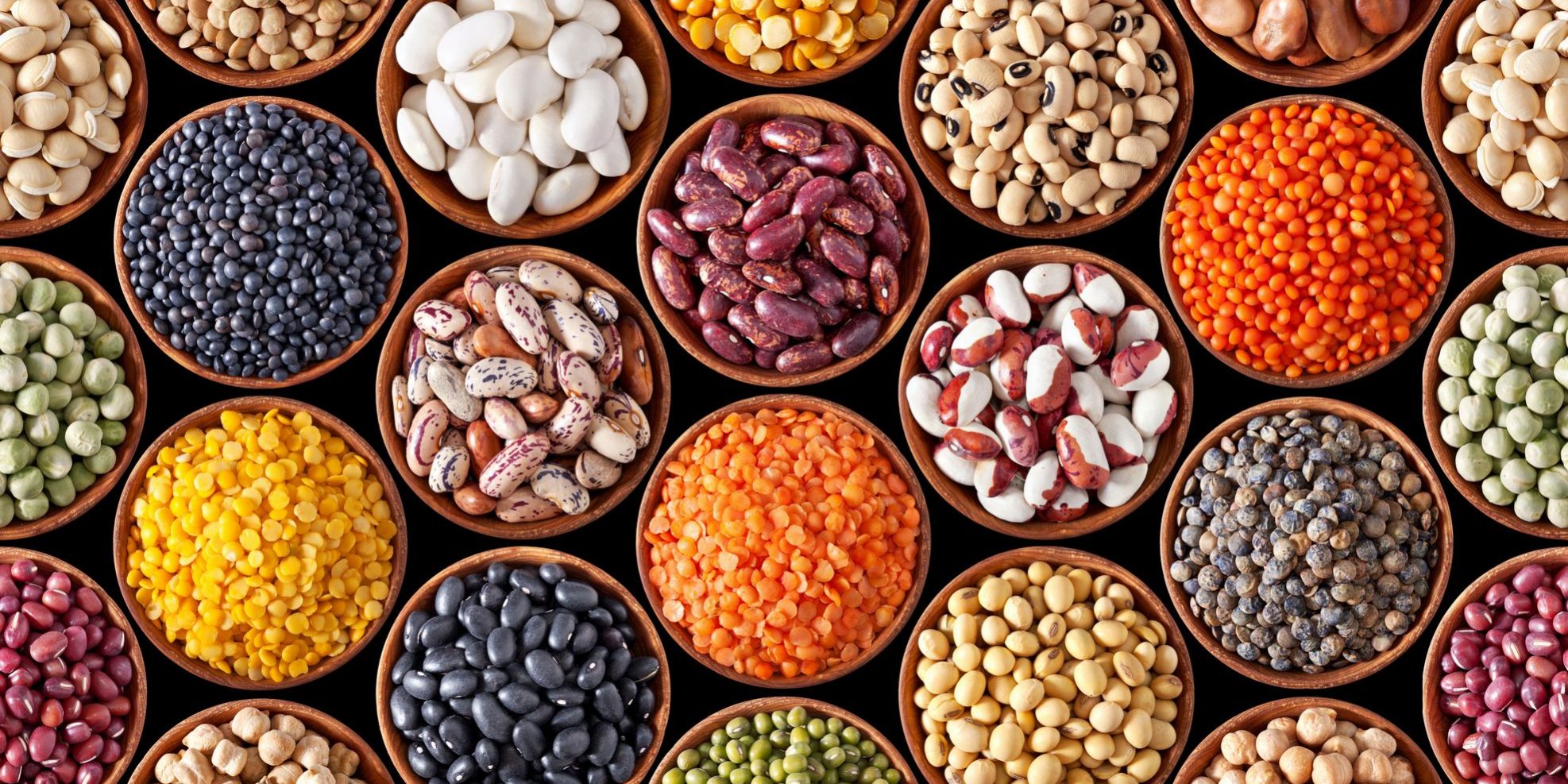
Beans and legumes are a cornerstone of various cuisines across the world. From mung beans in East Asian dishes to pinto beans and black beans in Central and South American meals, all the way across the ocean to Mediterranean salads adorned with garbanzo beans — these small, protein-packed legumes are everywhere.
Beans are high-fiber and filling in part because of their relatively high carb count. But the carbs in black beans, pinto beans, chickpeas, and many others vary by type. Some can work for the keto diet, while others are too carb-heavy.
So, can these ubiquitous protein powerhouses be a part of your low-carb diet? What if you add fat to make refried beans? Does that help?
In this article, you’ll learn about the carb counts and net carb counts of different beans, and whether or not beans will derail your keto diet efforts.
What Are Beans? Are They Healthy?
Beans are among the oldest cultivated plants in the world. Some sources trace the dietary use of beans back 20,000 years to ancient Eastern cultures.
As part of the legume family, beans are one of the best sources of plant-based protein available. They’re inexpensive to grow and can be found in cuisines worldwide. They’re especially practical in countries where meat is expensive, providing affordable sustenance for the masses.
Some health benefits associated with beans include a lowered risk of type 2 diabetes, blood sugar control, blood pressure, reduction in LDL cholesterol (which can help prevent heart disease), and weight loss.
Beans are also rich in dietary fiber and provide a good source of many vitamins and minerals. Here’s a closer look at a couple of examples.
Nutrition and Carbs in Black Beans
At first glance, the nutrition facts for black beans look good with many phytonutrients like folate, magnesium, and thiamin to contribute to your healthy diet.
One cup of black beans provides:
| Thamin | .42mg | 38% RDI |
| Riboflavin | .1mg | 7% RDI |
| Folate | 256ug | 64% RDI |
| Iron | 3.6 mg | 20% RDI |
| Phosphorus | 241mg | 34% RDI |
| Zinc | 1.93mg | 20% RDI |
| Magnesium | 120mg | 38% RDI |
A delicious bowl of black bean soup is sounding pretty good, right?
Here’s the problem — while they’re rich in phytonutrients, beans are also rich in carbohydrates.
Take a look at the macronutrient breakdown of that same cup of black beans:
| Calories | 227 kcal |
| Fat | 1g |
| Protein | 15g |
| Carbohydrates | 41g |
| Fiber | 15g |
| Net Carbs | 26g |
With 41 grams of carbs and 26 grams of net carbohydrates, the carbs in black beans could easily take you to the limit if you’re on a keto diet. That fiber content is just no match for the total carbohydrates, and the total fat is quite low. Remember, a major component of the keto diet is an abundance of healthy fats.
Since the cornerstone of the ketogenic diet is to keep your carbs low, adding black beans to your diet may be more trouble than it’s worth.
Nutrition and Carbs in Pinto Beans
Pinto beans boast a number of phytonutrients as well. One cup of pinto beans includes 160 milligrams of calcium and 10.8 milligrams of iron. But the carb count in pinto beans is even higher than black beans.
One cup yields 88 grams of total carbohydrates and 56 grams of fiber. That equals 32 grams of net carbs — not ideal for the keto diet.
You likely already knew that the flour or corn tortillas in traditional Mexican tacos and burritos weren’t going to work on the keto diet. But now you know that pinto beans (even the refried beans that contain added animal fat like lard) won’t work either.
Anti-Nutrients in Beans
The problem with beans doesn’t end with their high carb count; they also contain compounds called “anti-nutrients.”
These compounds are hard on your digestion and may make it difficult for you to absorb all of the vitamins and minerals that beans contain.
Here’s a breakdown of the anti-nutrients in beans and lentils.
Lectins
Lectins are proteins in a variety of plants that bind with carbohydrate molecules. Some types of lectins have been found to be inflammatory, toxic, and possibly damaging to the mucosal walls of your intestines.
Phytates
Phytates, also known as phytic acid, is the storage form of phosphorus in plant food. Although there are many health benefits associated with phytic acid, there is a steep downside as well.
Namely, phytates can bind minerals and inhibit their absorption. This is especially true for the essential minerals zinc, iron, and calcium.
The good news is that soaking beans overnight (between 8-24 hours) can help release some of these anti-nutrients and make them easier to digest. Just make sure you rinse the beans thoroughly before cooking.
Also, some canned beans are pre-soaked — Eden Organics brand does a great job of this.
When Do Beans Fit Into a Low-Carb or Keto Diet?
Now that you’ve learned about the carbs in black beans and pinto beans, you might be thinking that all beans are off-limits. But that’s not necessarily true. Here’s how you can potentially fit these legumes into your low-carb lifestyle.
Watch Your Portion Size
While beans tend to be carb-heavy, if you watch your portion size, you may be able to sneak a partial serving here and there.
You might also consider spreading out your small serving into a larger dish (like a soup or salad) with ingredients that contain more fiber and low- to no-net carbs in order to help you stay in balance on this meal plan.
Here are a couple of lower-carb bean options that — when eaten in moderation — may work for your keto diet.
White Kidney Beans
The carbs in white kidney beans are lower than the carbs in black beans, so if you stick to smaller quantities they might work on a ketogenic diet.
One serving (about a half cup) of white kidney beans contains a total of 110 calories, half a gram of fat, 13 grams of net carbs, and 8 grams of protein.
Depending on your personal needs and activity levels, you may be able to stay in ketosis with 13 grams of net carbs.
Just make sure you don’t go over a half-cup serving size.
Lima Beans
One serving of lima beans (about half a cup) contains 108 calories with 7 grams of protein. There’s a total carb count of 20 grams and 7 grams of fiber, leaving you with net carbs around 13 grams.
Once again, you’ll likely want to stick to the half-cup serving size here.
Reminder: If you decide to consume beans on a keto diet, make sure that you soak your beans first to release anti-nutrients.
Modified Keto Diets
Paying close attention to your carb intake is a crucial aspect of the standard ketogenic diet (SKD). As a keto beginner, you’ll want to stick closely to the low-carb, high-fat, and moderate-protein guidelines for your daily diet.
However, once your body has adjusted to using fat for fuel, you may realize that you need some high-carb foods on occasion. This is especially true if you’re active.
For this reason, there are a couple of keto diet variations. These modified eating plans allow for a bit more leniency with carb intake per serving of food, loosening the reins on moderate- to high-carb foods like beans.
Targeted Ketogenic Diet (TKD)
The targeted ketogenic diet (TKD) is most beneficial if you lead an active lifestyle or exercise regularly. If you’ve been following the SKD for a couple of months and still feel like you lack some serious energy during your workouts, the TKD could be right for you.
The TKD allows for up to 20-50 grams of additional carbs up to both an hour before and after your workout window. This window might be the perfect time to add beans to your diet.
Cyclical Ketogenic Diet (CKD)
If you perform at extremely high intensities, the number of carbs allowed on TKD could still be too low to fuel your required energy levels. In this case, the cyclical ketogenic diet (CKD) would be the preferred diet.
The CKD follows a typical SKD for most of the week (about five days) with two days of carb backloading. Carb backloading includes 24-48 hours of high carb, low-fat intake in order to replenish your glycogen levels.
When to Avoid Beans on Keto
In general, you should avoid beans as much as possible on a low-carb or ketogenic diet. This is especially true if you’re following the traditional form of the SKD or if you’re not fat-adapted.
At the beginning stages of the keto diet, while your body is first transitioning into fat-burning mode, it’s essential to keep your carbs very low. It’s strongly advised to avoid beans during these first few weeks to ensure that you get into ketosis.
Everyone’s body is different, which means you may process carbs differently than your neighbor. You also might be able to handle a small portion of beans without getting kicked out of ketosis once you’re fat-adapted.
Some people may be able to play with having a half cup here and there. However, some people will get kicked out of ketosis with less than that. You’ll have to find out for yourself where you fall on the spectrum.
If you’re fat-adapted and you want to try to incorporate a small portion of beans into your keto diet, do so slowly. Check your ketones after a meal with beans and see how your body responds.
If you’re doing a CKD or TKD, you may have more wiggle room. Many athletes find they can tolerate more carbs than sedentary folks.
The Bottom Line on Carbs in Black Beans and Other Beans
If you’re going low-carb or keto, be cautious with bean consumption. Instead, opt for low-carb bean substitutes.
There are some circumstances in which the ketogenic diet would allow you to boost your carb consumption. For example, before and after training time on the TKD, or on your high-carb days if you’re following the CKD.
Your other days on the keto diet, however, should be kept well under 50 grams of carbohydrates — and often much fewer.
Beans or not, you can figure out your daily carb limit with the Perfect Keto macro calculator.